Bringing a new life into the world is a profound experience, but it also comes with a myriad of changes for the mother, especially concerning her health and nutrition. As a registered dietitian, it’s crucial to understand these changes and their impact on breastfeeding, as well as provide effective solutions to ensure both mom and baby thrive.
In this post, we’ll explore the various physiological, psychological, and emotional changes that occur postpartum and how they influence breastfeeding. Additionally, we’ll delve into strategies to optimize nutrition and health status for sustained and adequate breastfeeding.
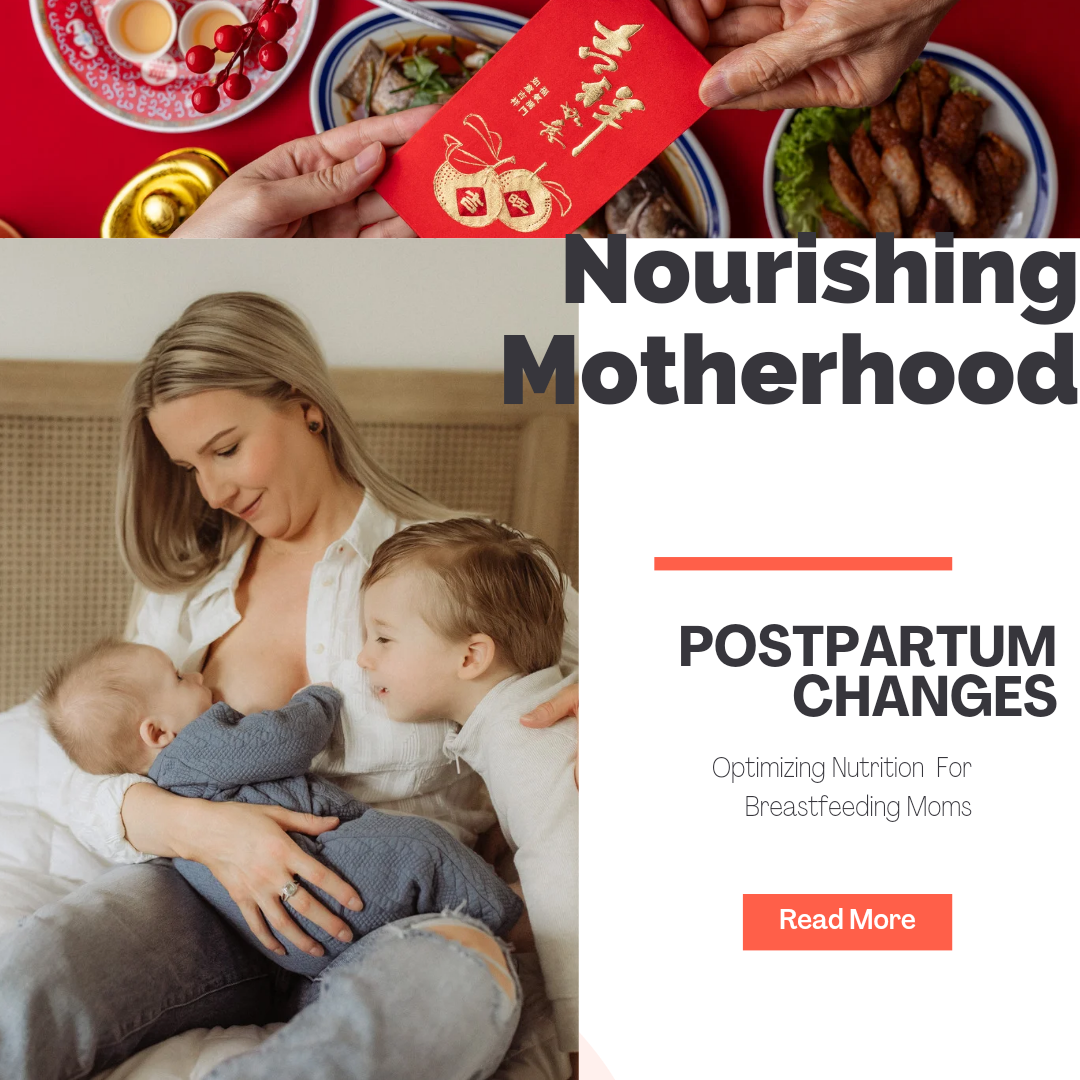
Postpartum Changes and their impact on Breastfeeding
1. Physiological Changes: After childbirth, a woman’s body undergoes significant physiological changes to adapt to her new role as a mother. Hormonal fluctuations, particularly the rise in prolactin and oxytocin levels, play a crucial role in initiating and maintaining lactation. However, these hormonal shifts can also lead to challenges such as engorgement, mastitis, and low milk supply if not properly managed.
Source: (La Leche League International, 2020)
2. Psychological and Emotional Changes: The postpartum period is often accompanied by a rollercoaster of emotions ranging from joy and fulfillment to anxiety and fatigue. These psychological and emotional changes can impact a mother’s ability to breastfeed effectively. Stress, lack of sleep, and feelings of overwhelm can interfere with milk letdown and production, leading to breastfeeding difficulties.
source: (National Institute of Mental Health, 2019)
3. Nutrition Status and Breastfeeding: The nutritional needs of breastfeeding mothers are significantly higher than during pregnancy or any other life stage. Breastfeeding requires extra calories, nutrients, and hydration to support milk production and meet both maternal and infant nutritional requirements. Inadequate nutrition can compromise milk quantity and quality, affecting the baby’s growth and development.
Source: (Academy of Nutrition and Dietetics, 2020)

Challenges in Breastfeeding and Nutrition: Despite the numerous benefits of breastfeeding, many new moms face challenges that can hinder successful lactation:
- Inadequate nutrition: Poor dietary choices or insufficient intake of essential nutrients can compromise both maternal health and milk production.
- Lack of support: Limited access to lactation consultants or peer support groups can contribute to breastfeeding difficulties.
- Medical conditions: Certain health conditions, such as thyroid disorders or diabetes, may impact breastfeeding capacity and require specialized dietary management.
How You can optimize Nutrition for Sustained Breastfeeding:
- Balanced Diet: Emphasize a balanced diet rich in whole grains, lean proteins, fruits, and vegetables to ensure adequate nutrient intake. Incorporate foods known to support lactation, such as oats, flaxseeds, and leafy greens
- Hydration: Stay hydrated by drinking plenty of fluids, preferably water or herbal teas. Aim for at least eight glasses of water per day, and increase intake during hot weather or periods of increased breastfeeding.
- Supplementation: Consider supplementing with vitamin D, omega-3 fatty acids, and iron, especially if dietary intake is inadequate or if you have specific nutrient deficiencies.
- Seek Support: Don’t hesitate to reach out to lactation consultants, support groups, or healthcare professionals for guidance and assistance with breastfeeding challenges.
Conclusion: Breastfeeding is a beautiful and natural process, but it comes with its own set of challenges, especially in the postpartum period. By understanding the changes that occur after childbirth and optimizing nutrition and health status, mothers can enjoy a fulfilling breastfeeding journey while providing the best possible start in life for their babies.
Remember, as a registered dietitian, we offer support and guidance to new and expectant Moms through a transformative experience, ensuring their nutritional needs are met for both their own well-being and that of their infants as part of our Nutrition Coaching Program under Mumina Wellness Solutions.
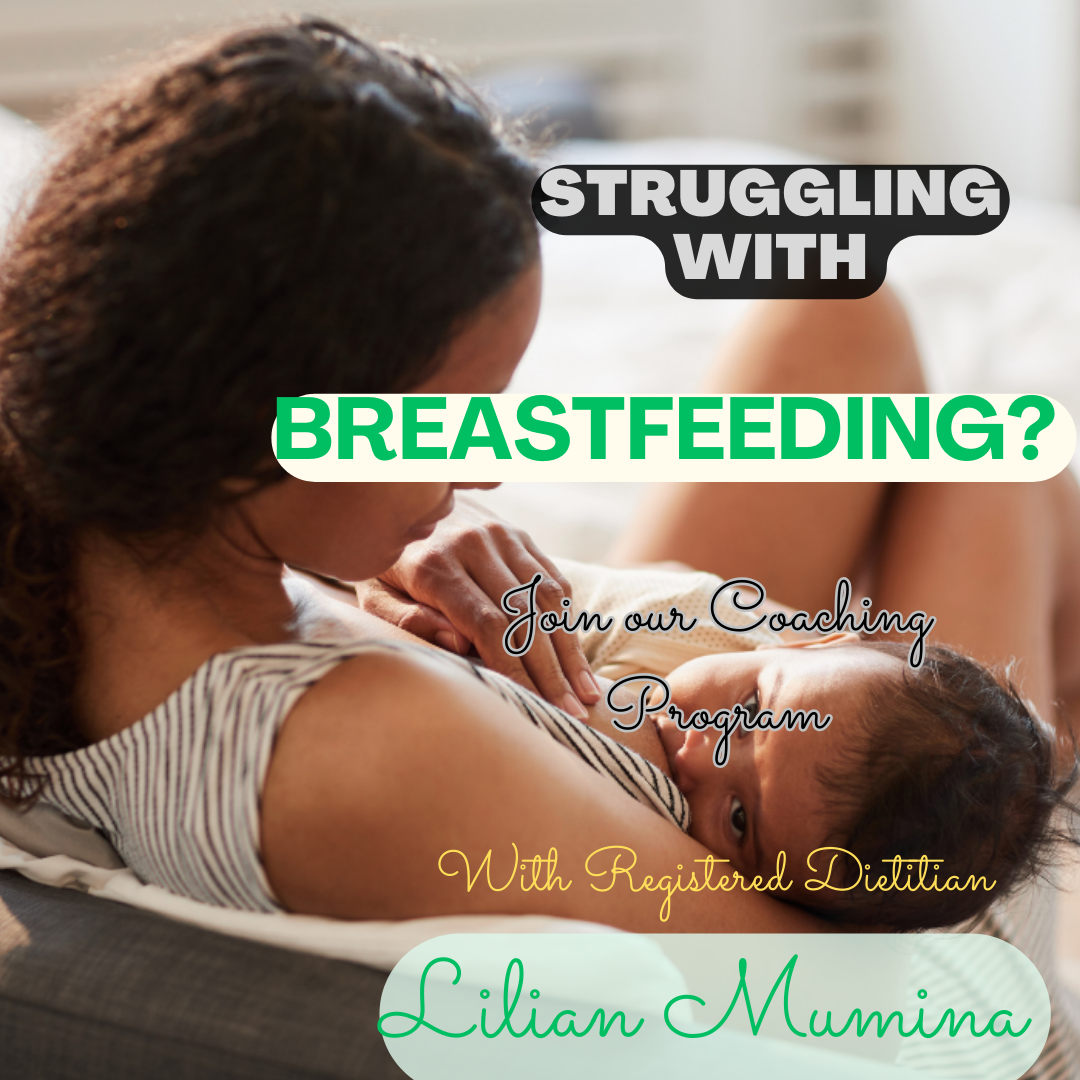
The Cost of the program is only Kshs. 3,000 payable monthly.
Reach us on +254723899429
email: muminawellness@gmail.com

 Nutrition, Diet and Health Tips
Leave a comment