Endometriosis is a condition where tissue similar to the lining inside the uterus (the endometrium) grows outside the uterus. This can cause severe pain and fertility issues, often linked to hormonal imbalances, especially involving estrogen.
Risk Factors
- Family History: If your mother, sister, or aunt has endometriosis, your chances are higher.
- Menstrual History: Early periods, short cycles (less than 27 days), and heavy flows increase risk.
- Never Giving Birth: Women who haven’t given birth are more prone.
- High Estrogen Levels: Elevated estrogen can encourage endometriosis.
- Medical Conditions: Issues that block menstrual flow, like abnormal tissue growth, can contribute.
Causes
While the exact cause of endometriosis isn’t fully understood, several theories exist:
- Retrograde Menstruation: Menstrual blood flows backward into the pelvic cavity instead of out of the body, leading to tissue growth outside the uterus.
- Embryonic Cell Transformation: Hormones like estrogen can transform embryonic cells into endometrial-like tissue during puberty.
- Surgical Scars: After surgeries like a hysterectomy or C-section, endometrial cells can attach to the surgical incisions.
- Immune System Disorders: A faulty immune system might fail to eliminate endometrial tissue growing outside the uterus.
Signs and Symptoms
- Pelvic Pain: The most common symptom, often worse during menstruation but can occur at other times.
- Heavy Periods: Excessive menstrual bleeding or bleeding between periods.
- Pain During Sex: Discomfort during or after intercourse.
- Bowel and Urinary Issues: Painful bowel movements or urination, particularly during periods.
- Infertility: Difficulty getting pregnant may be the first sign.
- Other Symptoms: Fatigue, diarrhea, constipation, bloating, and nausea, especially during periods.
Effective Management Strategies
- Medications:
- Pain Relief: Over-the-counter NSAIDs like ibuprofen can help.
- Hormone Therapy: Birth control pills, GnRH agonists, and progestin therapy can reduce symptoms by controlling hormone levels.
- Surgery:
- Laparoscopy: Minimally invasive surgery to remove endometrial tissue.
- Hysterectomy: In severe cases, removal of the uterus, and sometimes ovaries and fallopian tubes.
- Lifestyle Changes:
- Diet: Anti-inflammatory foods like fruits, vegetables, and omega-3s.
- Exercise: Regular activity can help alleviate symptoms.
- Stress Management: Yoga and meditation can reduce stress-related symptoms.
- Alternative Therapies:
- Acupuncture: Can help relieve pain.
- Herbal Supplements: Always consult a healthcare provider before starting any supplements.
Natural Green Therapy
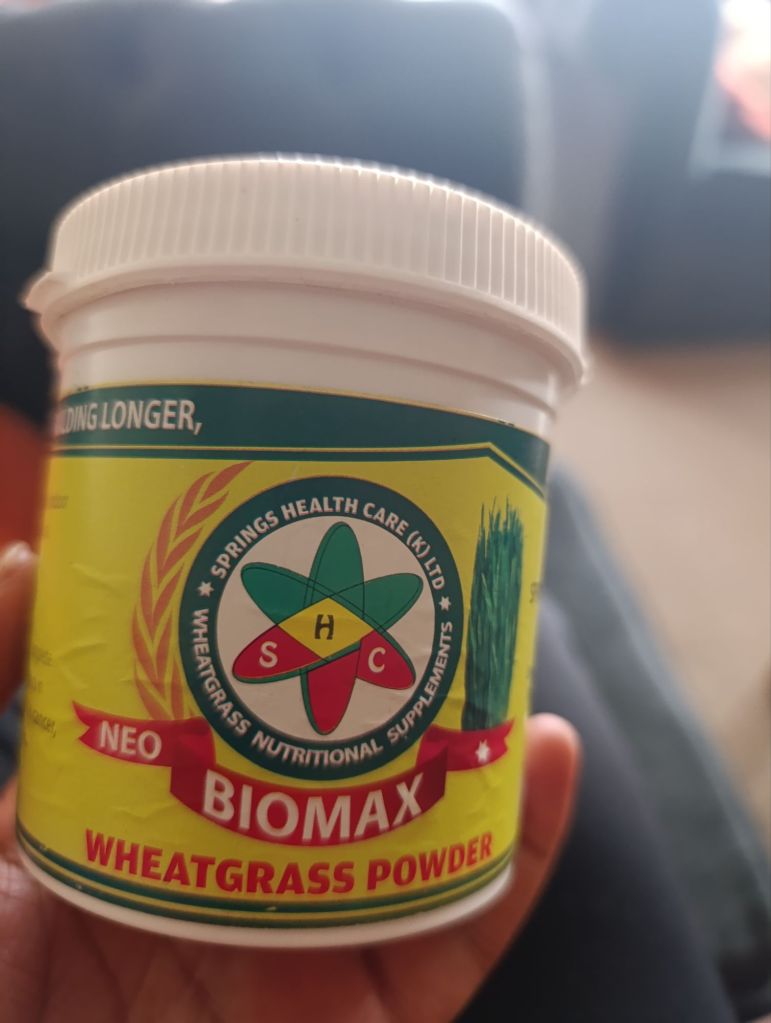
For those seeking natural remedies, try our Natural Wheatgrass Powder. Wheatgrass is packed with vitamins, minerals, and antioxidants, supporting overall health and potentially reducing inflammation linked to endometriosis. Available for:
- Kshs. 2,500 for 3 tins
- Kshs. 1,000 for one tin.
- Reach us on: +254723899429 for enquiries & Oders.
Wellness Coaching Program
We offer individualised Nutrition Care plans through our Wellness Coaching Program for personalized support in managing endometriosis and improving overall health. Our program includes dietary advice, stress management techniques, and regular consultations for only Kshs. 3,000 per month.
Call to Action:
Remember to take care of yourself, get checked if you have experienced any of the signs and symptoms mentioned above and all the best to you already struggling with Endometriosis. Sending hugs 🫂.
Sign with love 💕
Lilian Mutanu Mumina
Registered Dietitian
Mumina Wellness Solutions
Sources:
- Giudice, L. C. (2010). Clinical practice. Endometriosis. The New England Journal of Medicine, 362(25), 2389-2398.
- Burney, R. O., & Giudice, L. C. (2012). Pathogenesis and pathophysiology of endometriosis. Fertility and Sterility, 98(3), 511-519.
- Bulun, S. E. (2009). Endometriosis. The New England Journal of Medicine, 360(3), 268-279.
- Kennedy, S., Bergqvist, A., Chapron, C., D’Hooghe, T., Dunselman, G., & Greb, R. (2005). ESHRE guideline for the diagnosis and treatment of endometriosis. Human Reproduction, 20(10), 2698-2704.
By addressing both medical and lifestyle aspects, you can effectively manage endometriosis and improve your quality of life.

 Nutrition, Diet and Health Tips
Leave a comment