Infertility is a growing global concern, affecting millions of couples worldwide. According to the World Health Organization (WHO), approximately 15% of reproductive-aged couples face infertility issues, translating to around 48.5 million couples globally. This can be due to a mix of explained and unexplained causes, ranging from lifestyle factors to underlying medical conditions. Common reproductive issues include polycystic ovary syndrome (PCOS), endometriosis, and tubal blockages, which can significantly impact a woman’s ability to conceive. However, through targeted nutrition and lifestyle adjustments, it is possible to improve reproductive health and enhance fertility outcomes.
Understanding Infertility:
Infertility is defined as the inability to conceive after 12 months of regular, unprotected intercourse, or 6 months for women over 35. It can be primary (never having conceived) or secondary (difficulty conceiving after a previous pregnancy). Factors contributing to infertility include metabolic disorders like insulin resistance, obesity, thyroid imbalances, and lifestyle factors such as poor nutrition and stress.
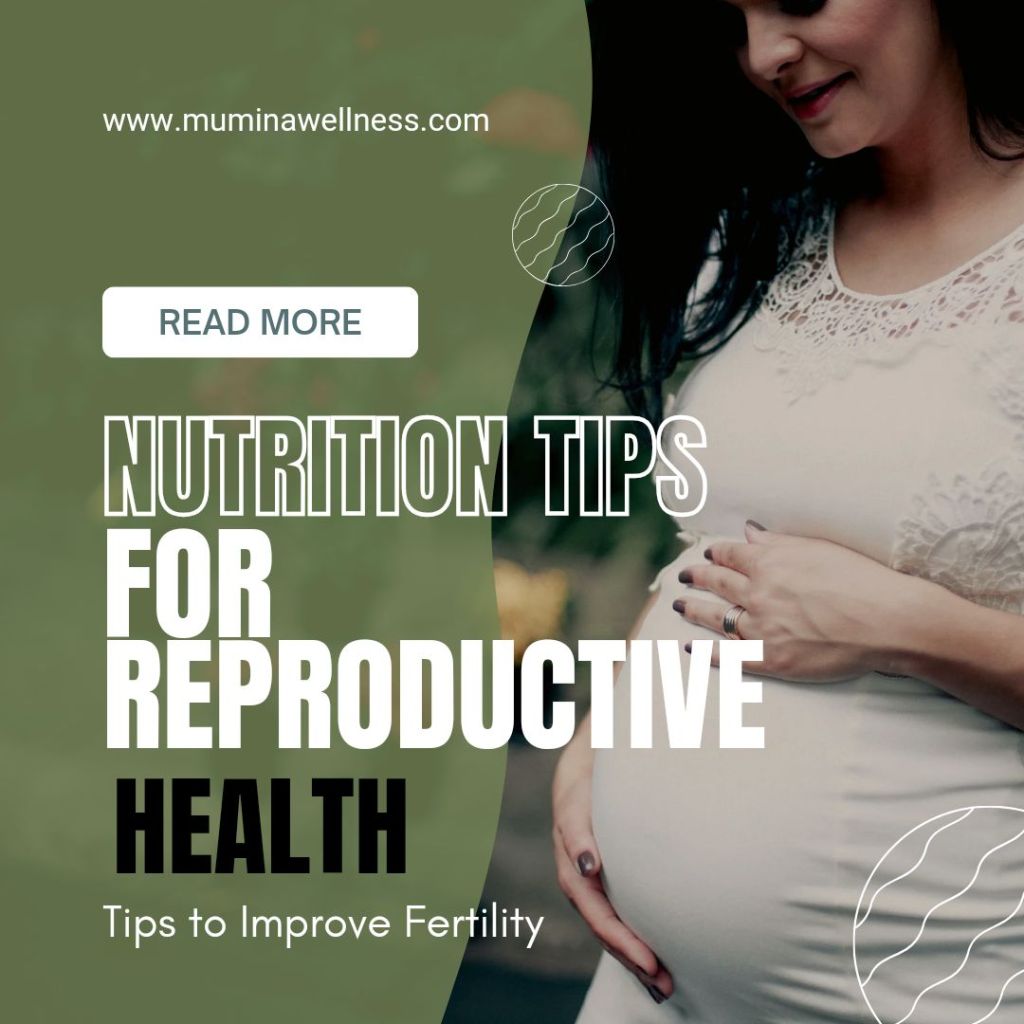
Nutrition’s Role in Reproductive Health:
- Diet and Ovulation:
- Insulin Resistance and PCOS: Insulin resistance is central to metabolic syndrome and significantly impacts ovulation. Women with PCOS often experience irregular menstrual cycles and anovulation due to elevated insulin levels stimulating excess androgen production.
- Nutritional Tips: Incorporate low glycemic index foods to stabilize blood sugar levels, include high-fiber foods like vegetables and whole grains, and avoid refined sugars and processed foods.
- Essential Nutrients:
- Folate (Vitamin B9): Critical for DNA synthesis and repair, impacting egg quality and embryo development. Women should aim for 400-800 mcg/day.
- Vitamin D: Essential for ovarian function and menstrual cycle regulation. Aim for 600-800 IU daily.
- Omega-3 Fatty Acids: Found in fatty fish, flaxseeds, and walnuts, these reduce inflammation and promote hormone balance.
- Iron: Necessary for ovulation and maintaining healthy egg quality. Women should get 18 mg/day from sources like lean meats and legumes.
- Hormonal Balance:
- Estrogen: Maintain a healthy weight and avoid processed foods. Beneficial foods include flaxseeds, soy, and broccoli.
- Progesterone: Balance blood sugar and manage stress. Foods like nuts, seeds, and lean meats are helpful.
- Testosterone: Crucial for libido and sperm production in both men and women. Regular exercise and reducing sugar intake can help maintain levels. Oysters, leafy greens, and nuts are beneficial.
Lifestyle Adjustments:
- Exercise and Weight Management:
- Regular physical activity helps regulate hormones and improve insulin sensitivity. Aim for at least 150 minutes of moderate exercise per week.
- Achieving and maintaining a healthy weight is crucial, as both underweight and overweight conditions can disrupt menstrual cycles and ovulation.
- Stress Reduction:
- High stress levels can negatively impact fertility by disrupting hormonal balance. Techniques such as yoga, meditation, and mindfulness can help manage stress effectively.
- Adequate sleep (7-9 hours per night) is essential for maintaining overall health and hormonal balance.
- Avoiding Toxins:
- Minimize exposure to environmental toxins such as pesticides, heavy metals, and endocrine-disrupting chemicals found in plastics. Opt for organic produce when possible and use glass or stainless steel containers instead of plastic.
Supplements for Reproductive Health:
- Coenzyme Q10 (CoQ10): Enhances egg quality and sperm motility.
- L-arginine: Supports sperm count and motility.
- Zinc: Vital for hormone production and sperm health. Women need 8 mg/day and men need 11 mg/day.
- Glutathione: A powerful antioxidant that supports egg and sperm quality, and a healthy uterine environment.
Conclusion:
Enhancing reproductive health through nutrition and lifestyle adjustments is a proactive approach to addressing infertility. By focusing on a balanced diet rich in essential nutrients, regular exercise, stress management, and minimizing toxin exposure, women can improve their fertility outcomes. Understanding and implementing these changes not only supports reproductive health but also promotes overall well-being.
For further guidance and personalized plans, consulting with a clinical nutritionist or healthcare provider is recommended. Remember, small changes in diet and lifestyle can lead to significant improvements in reproductive health and the likelihood of conception.
Sources:
- World Health Organization (WHO). (n.d.). Infertility definitions and prevalence.
- Mumina Wellness Solutions. (2024). Nutrition and Fertility Presentation.
- National Institute of Health (NIH). (n.d.). Essential Nutrients and Reproductive Health.

 Nutrition, Diet and Health Tips
Leave a comment