Over the last two months, Kenyans have taken to the streets, protesting against bad governance, misappropriation of funds, corruption, and numerous other concerns. This unrest prompted the President to dissolve his Cabinet. Recently, he shared a list of his 11 nominees, with the health docket being one of the affected sectors.
As a Nutritionist and the National Treasurer of the Kenya Union of Nutritionists and Dieticians (KUNAD), I want to discuss how bad governance affects nutrition and health in Kenya.
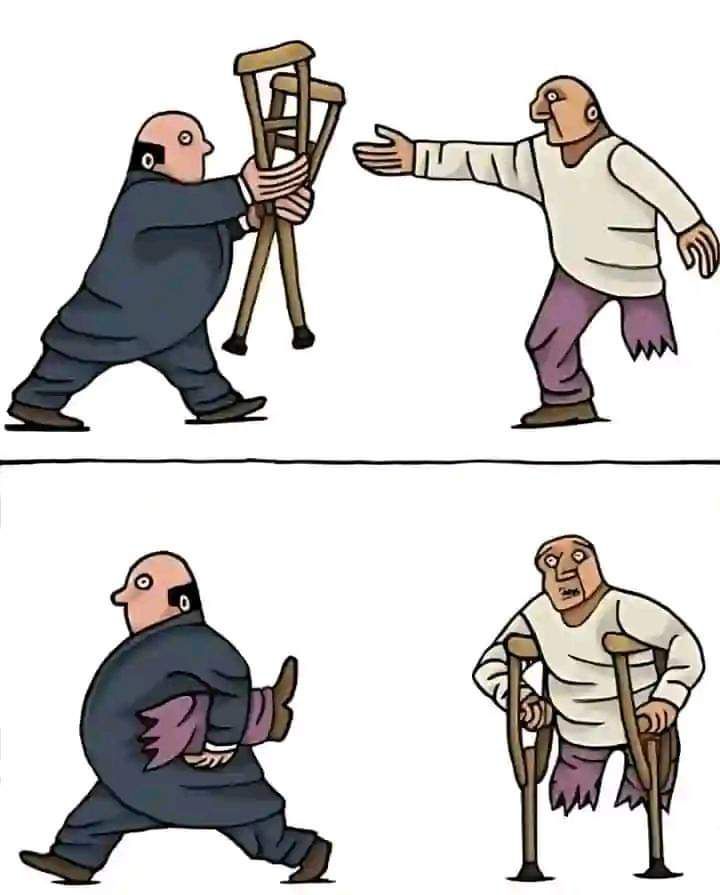
Kenya is known for its great policies, which unfortunately never make it beyond the shelves, and health is no exception. We have seen revisions of policies, strategic plans, and even the implementation of acts aimed at improving the community’s health status, yet implementation remains a mere dream. So, what exactly is dragging us down and preventing the implementation of these promising policies that could lead to better HRH terms, improved health delivery, and better outcomes for the people of Kenya? As you might guess, it’s what I call bad governance.

How Does Bad Governance Impact Health and Nutrition?
- Entertaining Corruption by Promoting Nepotism and Tribalism
Corruption is rampant in Kenya, often facilitated by nepotism and tribalism, which prevent scrutiny of planning and expenditure. This lack of transparency and accountability leads to misappropriation of funds meant for health and nutrition programs . - Lack of Proper Intervention Priorities
Nutrition activities in Kenya are often ignored, with both county and national governments allocating inadequate funds for nutrition financing. This neglect undermines the vital role nutrition plays in both preventive and curative health services . - Lack of Accountability in Policy Implementation
There is a significant lack of accountability in implementing and completing various health policies. Government officials and Cabinet Secretaries frequently promise action without follow-through, as seen with the launch of the Kenya Health Human Resource Advisory Council (KHHRAC) and the Kericho Declaration of 2023 . - HRH Issues
Nepotism and tribalism often take precedence over qualifications and competence in HRH (Human Resources for Health) matters. This practice compromises the quality of healthcare services and hinders the effectiveness of health interventions . - Inadequate Health Infrastructure:
Bad governance leads to inadequate investment in health infrastructure. Many health facilities lack basic amenities, essential drugs, and medical supplies. This has been a persistent issue in Kenya, contributing to poor health outcomes. A World Bank report emphasizes the need for better infrastructure to improve health services in Kenya.
Steps Towards Correcting These Challenges
- Strengthen Accountability Mechanisms
Establish robust accountability frameworks to ensure the implementation and monitoring of health and nutrition policies. This includes independent audits and public reporting of health expenditures and project outcomes . - Increase Nutrition Financing
Allocate adequate funds for nutrition programs at both national and county levels. Prioritize nutrition financing in the national budget to support preventive and curative nutrition services . - Promote Merit-Based Appointments
Ensure that HRH appointments are based on qualifications and competence rather than nepotism and tribalism. Implement transparent recruitment processes and enforce merit-based criteria for all health sector appointments . - Enhance Community Participation
Engage communities in health and nutrition policy development and implementation. Community involvement ensures that policies are relevant and increases accountability for local health outcomes . - Combat Corruption
Implement strict anti-corruption measures within the health sector. This includes strengthening legal frameworks, enhancing oversight, and ensuring that those involved in corrupt practices are held accountable . - Strengthening Health Infrastructure:
Investing in health infrastructure, including facilities, equipment, and supply chains, is critical. This will improve service delivery and health outcomes across the country. - Strengthen Monitoring and Evaluation for the Policies and Strategies: Effective implementation and monitoring of health policies and strategic plans are vital. Establishing independent bodies to oversee the execution of these policies can help ensure they are followed through.
By addressing these challenges, we can work towards a healthier Kenya where nutrition and health policies are effectively implemented, leading to better health outcomes for all.

 Nutrition, Diet and Health Tips
Leave a comment