In the age of social media, influencers wield significant power, shaping public opinions and behaviors. However, this influence can sometimes lead to the spread of misinformation, with serious implications for public health.
In Kenya, where breastfeeding rates remain suboptimal, we face a growing challenge: social influencers advocating for breast milk substitutes like formulas and mixed feeding. Their large followings make it difficult for healthcare professionals, including dietitians, to convince expectant and new mothers otherwise.
As we honor World Breastfeeding Week (August 1-7, 2024) under the theme “Closing the Gap: Breastfeeding Support for All,” it’s crucial to emphasize the irreplaceable value of breastfeeding.
As both a dietitian and a mother who exclusively breastfed for six months and continued until 21 months, I want to share why prioritizing breastfeeding is essential for both mother and child.
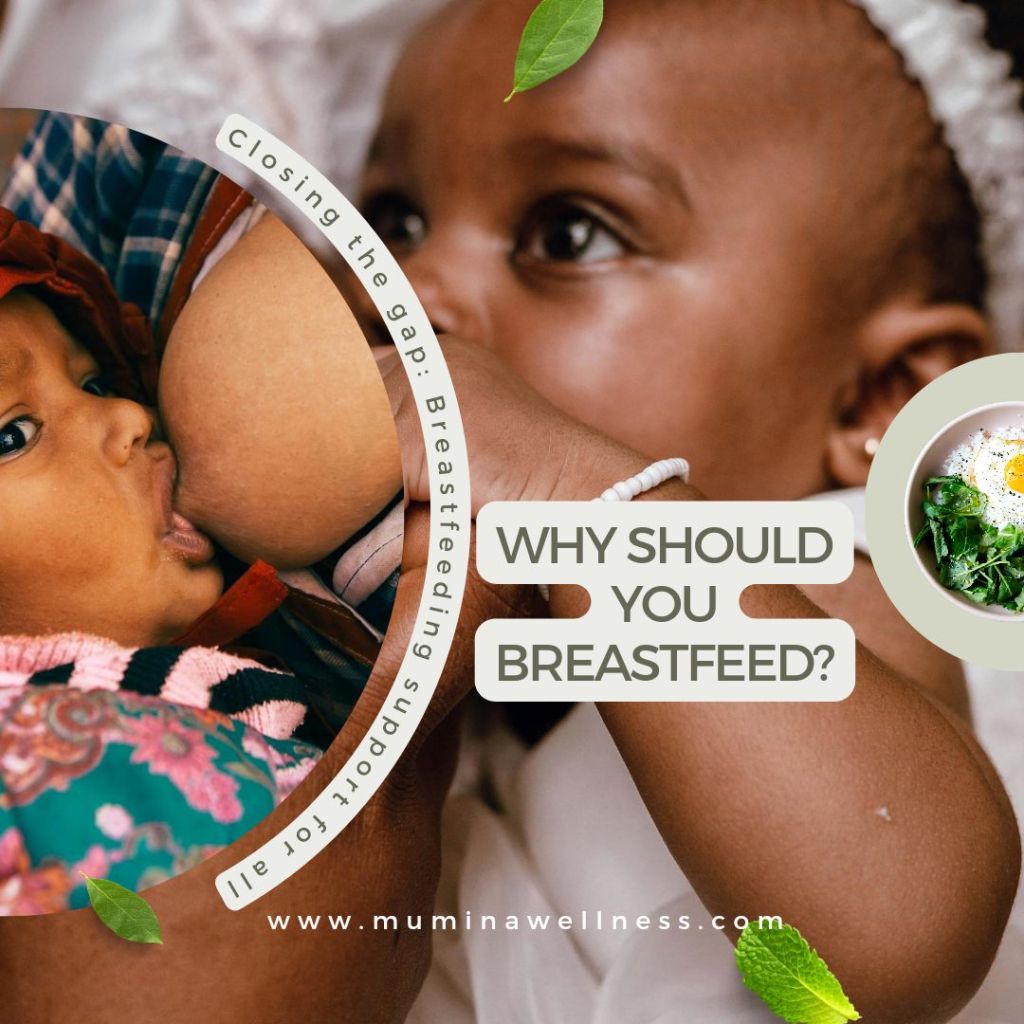
1️⃣ Complete Nutrition for Your Infant
Breast milk provides the perfect balance of nutrients—both macronutrients and micronutrients—required for your infant’s growth and development during the first six months. Unlike formula, which attempts to replicate these nutrients, breast milk is naturally tailored to meet your baby’s specific needs, supporting optimal physical and cognitive development.
2️⃣ Cost-Effective, Safe, and Readily Available
Breast milk is not only nutritionally superior but also free and always available. Formula feeding can be expensive, requiring careful preparation to ensure safety, which poses a risk of contamination and illness. Moreover, formula is harder for infants to digest, potentially leading to digestive issues and negatively impacting their gut health and overall nutrition status.
3️⃣ Immune-Boosting Properties
Breast milk is rich in natural antibodies and immune-boosting components that help protect your baby against common infections such as colds, flu, and gastrointestinal issues. This natural protection reduces the need for hospital visits, keeping your baby healthier in their early, vulnerable months.
4️⃣ Long-Term Health Benefits
Research has consistently shown that breastfeeding is associated with better mental function and a reduced risk of metabolic disorders later in life.
5️⃣. For mothers, breastfeeding aids in post-pregnancy weight loss and helps reduce the risk of certain cancers, such as breast cancer. It also fosters a strong emotional bond between mother and child, promoting confidence and well-being.
Supporting Breastfeeding in Kenya
As we advocate for breastfeeding, it’s important to acknowledge the support needed to make this practice easier for mothers. In Kenya, the Breast Milk Substitutes (Regulation and Control) Act, plays a critical role in protecting breastfeeding by regulating the marketing of breast milk substitutes. Additionally, the Health Act, includes provisions for breastfeeding-friendly environments in workplaces and public spaces, ensuring that mothers can breastfeed comfortably and without stigma.
This World Breastfeeding Week, let’s commit to supporting and promoting breastfeeding in our communities. By creating an environment that encourages and normalizes breastfeeding, we can help mothers make the best nutritional choices for their infants, ultimately improving public health outcomes.
As dietitians in Kenya, we call on national and county governments to ensure the full implementation of these crucial policies and any other legislation that supports breastfeeding, closing the gap and promoting the health of future generations.
“Ya mama yabamba“—Breastmilk is the best!
Subscribe to my YouTube channel for more insights on Breastfeeding:

 Nutrition, Diet and Health Tips
Leave a comment