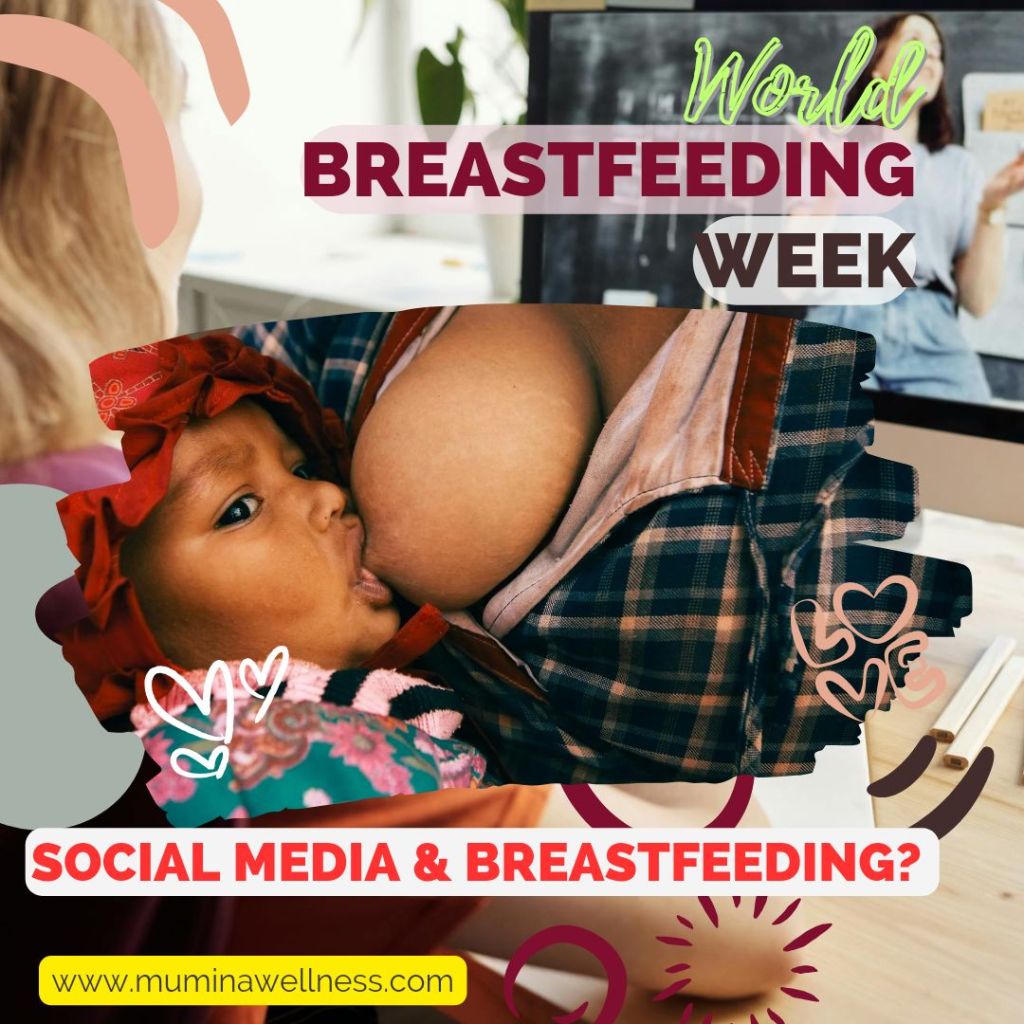
In an age where technology dominates communication, social media has emerged as a powerful tool for health promotion, particularly in the area of breastfeeding. The 2024 World Breastfeeding Week theme, “Closing the Gap: Supporting Breastfeeding for All,” underscores the importance of inclusivity and the need to reach every mother, regardless of location or circumstance. As a registered dietitian and an upcoming content creator at Mumina Wellness Solutions, I understand the power of social media in Health promotion, specifically Breastfeeding.
But how exactly does social media influence breastfeeding, and what roles do influencers play in shaping breastfeeding practices? This article explores the multifaceted relationship between social media and breastfeeding, offering insights into the positives and negatives and practical strategies for healthcare workers to capitalize on this digital wave.
The Rise of Social Media Influencers
Social media influencers have become modern-day opinion leaders, shaping public perceptions and behaviors in ways traditional media could never achieve. With platforms like Instagram, TikTok, and YouTube amassing billions of users, influencers with large followings have the power to reach and impact diverse audiences. Their ability to share personal stories, offer advice, and endorse products or practices gives them an unparalleled influence over their followers’ choices.
In the context of breastfeeding, influencers can either promote or hinder breastfeeding practices, depending on the content they share. Influencers who are breastfeeding advocates can normalize breastfeeding, share educational content, and debunk myths, making breastfeeding more accessible and accepted. On the other hand, influencers who lack accurate knowledge or prioritize monetization over credibility can spread misinformation, potentially discouraging breastfeeding or promoting harmful practices.
The Impact of Social Media on Breastfeeding
Social media’s impact on breastfeeding is a double-edged sword. On the positive side, it has democratized access to information, creating communities where mothers can find support, share experiences, and learn from one another. Online groups and forums provide a space for mothers to ask questions, seek advice, and gain encouragement, reducing the feelings of isolation that many new mothers experience.
Moreover, social media campaigns led by healthcare organizations and breastfeeding advocates have successfully raised awareness about the benefits of breastfeeding, dispelling common myths, and promoting breastfeeding as the gold standard for infant nutrition. Hashtags like #BreastfeedingWeek, #NormalizeBreastfeeding, and #BreastIsBest have trended globally, amplifying the message and reaching millions of people.
However, there are downsides. The spread of misinformation is a significant concern, with some influencers endorsing formula feeding over breastfeeding for financial gain or promoting unsafe practices. The pressure to present a perfect online persona can also discourage mothers who struggle with breastfeeding, leading to feelings of inadequacy or failure when their reality doesn’t match the polished images they see online.
How Can Healthcare Workers Explore Social Media to Promote Breastfeeding?
Healthcare workers, including dietitians, can play a crucial role in promoting breastfeeding through social media by becoming authoritative voices in the online conversation. Here are some strategies:
- Content Creation: Develop and share accurate, evidence-based content that educates mothers on the benefits of breastfeeding, addresses common challenges, and offers practical tips. Use engaging formats like videos, infographics, and live Q&A sessions to reach a broader audience.
- Collaborations with Influencers: Partner with breastfeeding-friendly influencers who align with your values and have a genuine interest in promoting breastfeeding. By providing them with credible information and resources, you can ensure they relay accurate messages to their followers.
- Community Engagement: Create or participate in online communities and forums where mothers gather to discuss breastfeeding. Offer your expertise, answer questions, and provide support in a non-judgmental and approachable manner.
- Campaigns and Challenges: Launch social media campaigns or challenges during key events like World Breastfeeding Week. Encourage mothers to share their breastfeeding stories, celebrate their milestones, and use specific hashtags to create a sense of community and solidarity.
- Debunking Myths: Actively address and debunk breastfeeding myths circulating on social media. This not only educates the public but also establishes you as a trusted source of information.
How can Social Media Influencers support Breastfeeding Practices?
Social media influencers can be powerful allies in promoting breastfeeding if they are well-informed and genuinely committed to the cause. Their role can include:
- Normalizing Breastfeeding: By sharing their own breastfeeding journeys, influencers can help normalize breastfeeding in public and at home, breaking down the stigma and encouraging more mothers to breastfeed.
- Education: Influencers can relay important information about breastfeeding, such as its health benefits for both mother and child, how to overcome common challenges, and the importance of exclusive breastfeeding for the first six months.
- Advocacy: Influencers with a large following can advocate for policies and practices that support breastfeeding, such as paid maternity leave, lactation rooms at workplaces, and the enforcement of breastfeeding-friendly laws.
- Support: By creating and maintaining supportive online communities, influencers can offer encouragement and advice to mothers who may be struggling with breastfeeding, helping them to continue despite challenges.
Capitalizing on Content Creation for promoting Breastfeeding.
To effectively use social media for breastfeeding promotion as a Health care worker, consider the following content creation strategies:
- Storytelling: Share compelling stories of mothers who have successfully breastfed, highlighting their challenges and triumphs. Personal stories resonate deeply with audiences and can inspire others to follow suit.
- Visual Content: Use photos, videos, and infographics to convey information in a visually appealing and easily digestible manner. For example, create step-by-step videos on breastfeeding techniques or infographics on the benefits of breastfeeding.
- Interactive Content: Engage your audience with polls, quizzes, and Q&A sessions. This not only makes your content more interactive but also provides valuable insights into your audience’s needs and concerns.
- Collaborative Content: Work with other healthcare professionals, lactation consultants, and breastfeeding advocates to create joint content. This adds credibility to your message and expands your reach.
Social media is a powerful tool in the promotion of breastfeeding, offering both opportunities and challenges. By understanding the role of social media influencers, the impact of social media on breastfeeding, and the strategies for effective content creation, healthcare workers can harness this digital platform to support and promote breastfeeding practices.
As we celebrate World Breastfeeding Week 2024, let’s commit to bridging the gap and ensuring that every mother has the support and information she needs to breastfeed successfully.

 Nutrition, Diet and Health Tips
Leave a comment