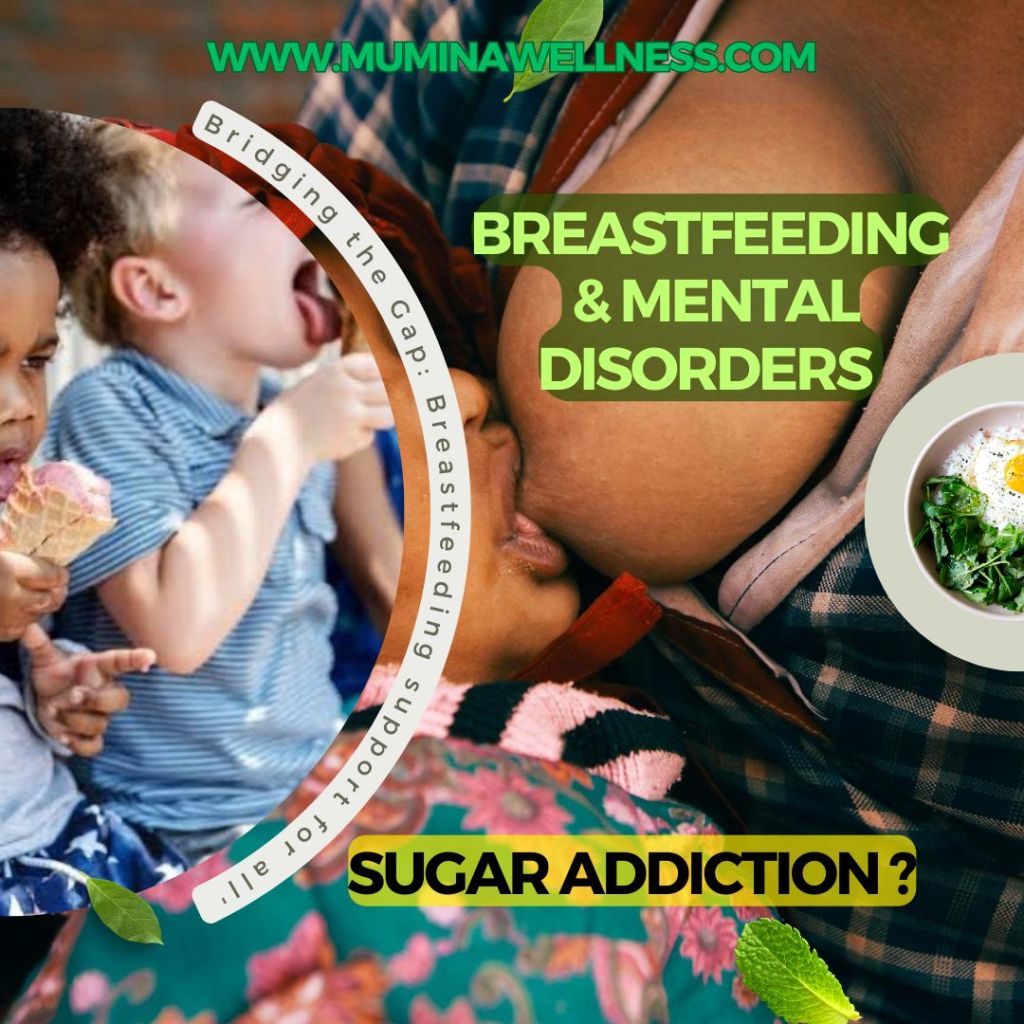
Breastfeeding is a fundamental practice with profound implications for both short-term and long-term health. Beyond providing essential nutrients, breastfeeding has been shown to play a crucial role in the development of a child’s gut microbiome and overall mental health.
Emerging research is now shedding light on how breastfeeding can reduce the risk of developing addictions, such as sugar addiction, which is a contributing factor to metabolic disorders like obesity, diabetes, hypertension, and Polycystic Ovary Syndrome (PCOS).

As a registered dietitian passionate about child nutrition and health, I will explore how exclusive breastfeeding (EBF) and proper complementary feeding practices can set the foundation for a healthier future by reducing the likelihood of addictive behaviors.
The Gut-Brain Connection: The gut-brain axis is a bidirectional communication system between the gastrointestinal tract and the central nervous system. This connection has garnered significant attention in recent years, with studies highlighting its influence on mental health, including the development of addictions, anxiety, ADHD, and other disorders . The gut microbiome, which is established early in life, plays a crucial role in this connection. Breastfeeding has been found to be one of the most effective ways to promote a healthy gut microbiome, providing infants with beneficial bacteria such as Bifidobacteria and Lactobacilli .
How Breastfeeding Reduces the Risk of Sugar Addiction:
- Establishment of a Healthy Gut Microbiome:
- Breast milk is rich in prebiotics, particularly human milk oligosaccharides (HMOs), which feed beneficial gut bacteria. These bacteria are essential for the proper development of the gut microbiome, which, in turn, influences taste preferences and cravings later in life . A healthy gut microbiome helps regulate the body’s response to sugar, reducing the risk of sugar addiction and associated metabolic disorders.
- Regulation of Appetite and Satiety:
- Breastfeeding promotes the production of hormones such as leptin and ghrelin, which regulate appetite and satiety.
- Children who are exclusively breastfed for the first six months of life and continue breastfeeding alongside complementary feeding are more likely to develop a natural ability to regulate their food intake, reducing the risk of overeating and sugar addiction.
- Influence on Brain Development:
- Breast milk contains essential fatty acids, such as DHA (docosahexaenoic acid), which are crucial for brain development. Proper brain development is linked to better impulse control and decision-making, which can help reduce the risk of addictive behaviors later in life .
Long-Term Benefits:
- Lower Risk of Metabolic Disorders:
- By reducing the risk of sugar addiction, breastfeeding indirectly lowers the risk of metabolic disorders such as obesity, diabetes, and hypertension. These conditions are often interlinked, and early intervention through breastfeeding can have a significant impact on long-term health outcomes .
- Positive Impact on Mental Health:
- Beyond reducing sugar addiction, breastfeeding has been shown to have a protective effect against mental health disorders. The gut-brain connection established through breastfeeding can help reduce the risk of anxiety, ADHD, and other mental health issues that may lead to addictive behaviors later in life .
- Promotion of Healthy Eating Habits:
- Breastfed children are more likely to accept a wider variety of foods during complementary feeding and throughout their lives. This reduces their reliance on sugary and processed foods, promoting a balanced and diverse diet that supports overall health. Introduction of Variety of Foods is highly encouraged when introducing other feeds.
Conclusion: Breastfeeding is much more than a source of nutrition; it is a powerful tool in shaping a child’s future health. By promoting a healthy gut microbiome, regulating appetite, and supporting brain development, breastfeeding can reduce the risk of sugar addiction and associated metabolic disorders. As we continue to face rising rates of obesity, diabetes, and other health issues, breastfeeding remains a key strategy in promoting lifelong health and preventing addiction.
As a registered dietitian, I am committed to advocating for best breastfeeding practices and educating parents on the long-term benefits of breastfeeding. Together, we can lay the foundation for healthier generations, free from the burdens of addiction and metabolic disorders.
If you want to learn more about how to support your child’s health through breastfeeding and nutrition, subscribe to my newsletter and follow me on YouTube at Mumina Wellness Solutions. Let’s work together to ensure our children have the best start in life, paving the way for a healthier future.
References:
- Kalliomäki, M., et al. (2008). “Early differences in fecal microbiota composition in children may predict overweight.” American Journal of Clinical Nutrition, 87(3), 534-538.
- Lauritzen, L., et al. (2016). “The essentiality of long chain n-3 fatty acids in relation to development and function of the brain and retina.” Progress in Lipid Research, 44(1), 1-44.
- Innis, S. M. (2007). “Human milk: maternal dietary lipids and infant development.” Proceedings of the Nutrition Society, 66(3), 397-404.
- Bergström, A., et al. (2019). “The composition of the gut microbiota prior to the development of obesity in overweight children: A longitudinal study.” Pediatric Obesity, 14(8), e12584.
- Nagpal, R., et al. (2017). “Probiotics, prebiotics, and synbiotics for infant feeding.” Nestlé Nutrition Institute Workshop Series, 88, 105-114.
- Carabotti, M., et al. (2015). “The gut-brain axis: interactions between enteric microbiota, central and enteric nervous systems.” Annals of Gastroenterology, 28(2), 203-209.
- Slykerman, R. F., et al. (2017). “Antibiotics in the first year of life and subsequent neurocognitive outcomes.” Acta Paediatrica, 106(1), 87-94.
- Schwartz, C., et al. (2013). “Development of healthy eating habits early in life. Review of recent evidence and selected guidelines.” Appetite, 57(3), 796-807.

 Nutrition, Diet and Health Tips
Leave a comment