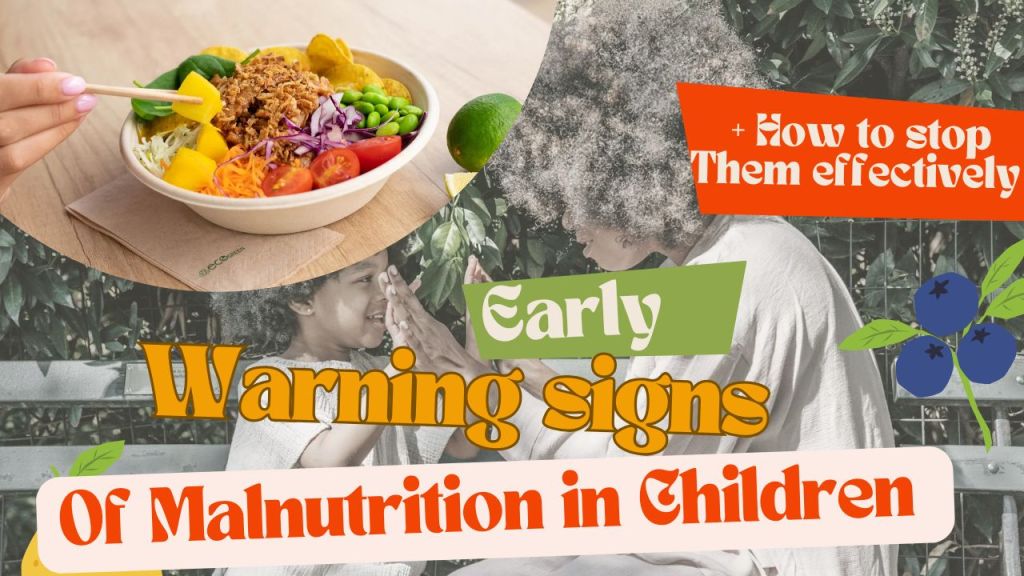
Malnutrition in children under five is a critical public health issue that requires immediate attention. Children in this age group are particularly vulnerable due to their rapid growth, increased nutrient needs, and a small stomach capacity. If left unaddressed, malnutrition can have long-lasting consequences on a child’s health, growth, and development.
As a parent/ caregiver, it’s important that you understand the Early warning Signs of Malnutrition so as to put measures in place in good time to prevent the detrimental effects of Malnutrition in your child.
What Are the Early Signs of Malnutrition in Children?
1. Unexplained Weight Loss or Failure to Gain Weight: If your child is not gaining weight or is losing weight without explanation, this is a red flag. Regular growth checks are crucial for identifying this early.
2. Visible Signs of Weakness and Fatigue:
Malnourished children often show signs of lethargy, reduced activity, and a lack of interest in playing or engaging in daily activities.
3. Stunted Growth: If a child’s height is not increasing at the expected rate, this could indicate long-term malnutrition. Stunting often affects physical development and can have lasting cognitive effects.
4. Frequent Illness and Infections: Poor nutrition weakens the immune system, making a child more susceptible to infections like pneumonia, diarrhea, and skin conditions. If your child falls sick frequently, it may be linked to nutritional deficiencies.
5. Changes in Skin and Hair Texture:
Dry, flaky skin, hair thinning, or changes in hair color (especially in protein-energy malnutrition) can signal deficiencies in essential nutrients.
6. Irritability and Behavioral Changes:
Poor nutrition can affect a child’s mood and behavior, leading to irritability, mood swings, and concentration issues. This can impact cognitive development and learning.
7. Swollen Abdomen or Limbs:
Swelling, especially in the abdomen (kwashiorkor), can indicate severe malnutrition. It’s often caused by protein deficiency and requires immediate medical attention.
How to Stop Malnutrition in Children
1. Varied & Balanced Diet: Diversify their dietary intake by ensuring your child is eating a diet rich in proteins, vitamins, and minerals. Include a variety of foods such as whole grains, fruits, vegetables, lean meats, and dairy products. Pay special attention to micronutrient-rich foods like eggs, spinach, and fortified cereals.
2. Breastfeeding and Complementary Feeding: As a registered dietitian, I have emphasised time and again the importance of breastfeeding in your child’s Nutrition and Health status. Breastfeeding is vital in the first six months of life, but after six months, it’s essential to introduce complementary foods rich in nutrients. Caregivers should be trained on feeding practices that match a child’s growing needs.
3. Regular Health Checkups:
Regular visits to Registered Nutritionists/Dieticians professionals can help track your child’s growth and identify potential issues early. Vaccinations and deworming also play a role in preventing disease-related malnutrition. Child welfare Clinic doesn’t stop after the 18 month jab. Continue with regular check-ups, Supplementation & deworming up to 5 years of age.
4. Nutritional Supplements where necessary:
In cases of micronutrient deficiencies, supplements such as vitamin A, iron, and zinc can be critical. Ensure that supplements are given based on professional recommendations and not from social media. Book a consultation with a Nutrition professional to discuss your child’s increased nutrients needs to get a way forward.
5. Nutrition Education & Counselling for Caregivers & Children who understand:
Caregivers need continuous education on proper child feeding practices. Many children suffer due to incorrect feeding habits, such as prolonged bottle feeding, excessive sugar intake, or reliance on processed foods. Also the importance of proper foods selection, preparation and pairing should be emphasised to prevent Nutrient losses, limit negative Nutrient – Nutrient interactions that limits availability, utilisation and absorption. Parents are also cautioned against consuming information from unqualified professionals who really don’t care about the wellbeing of children.
6. Treatment of Underlying Conditions:
Some children are at risk of malnutrition due to diseases or infections. Treating conditions like diarrhea, respiratory infections, and intestinal parasites is essential in managing malnutrition.
Nutritional Care Process for Infants and Children
As part of my mission to improve child health, I offer personalized Nutrition Care Plans for infants and children. Using evidence-based practices, I assess each child’s unique nutritional needs and develop tailored strategies to ensure proper growth, development, and overall well-being.
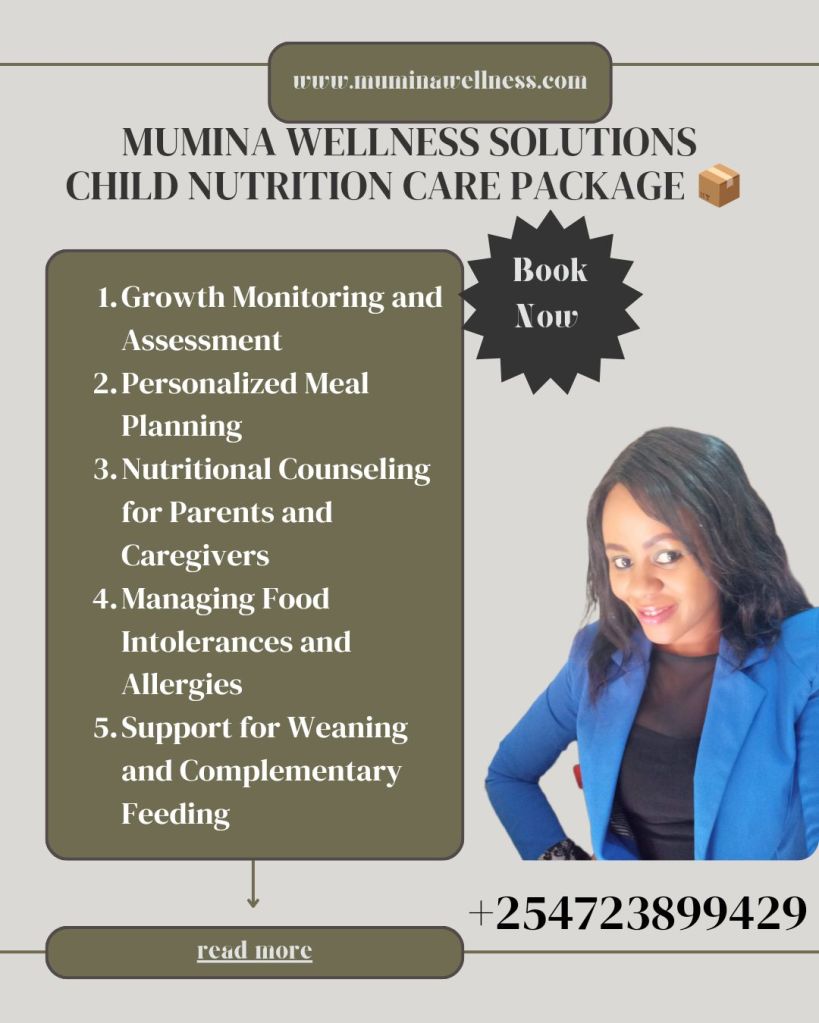
Why Choose Mumina Wellness Solutions?
Our Child Nutrition Care Package is not just realistic and relatable but is grounded in scientific evidence. We don’t believe in quick fixes; instead, we focus on long-term, sustainable health for your child.
For just Kshs. 3,000 per month, you will have access to expert nutrition guidance that ensures your child gets the nutrients they need to grow strong, healthy, and happy!
Get Started Today!
Call or WhatsApp us at +254723899429 to schedule your first consultation or email us at muminawellness@gmail.com.
You can also follow us on all social platforms at @muminawellness for daily nutrition tips and updates.
Invest in your child’s future health today with Mumina Wellness Solutions!
And if you’re looking for ongoing support and expert advice, visit my YouTube channel, Mumina Wellness Solutions, where I share insights on child health, nutrition, and more.
With the right guidance, you can help your child overcome nutritional challenges and set them on the path to a healthy and thriving future.
Signed with love always,
Lilian Mutanu Mumina,
Registered Dietitian,
Mumina Wellness Solutions.
WhatsApp me here: https://wa.me/message/KENSW7BT6OLDF1

 Nutrition, Diet and Health Tips
Leave a comment