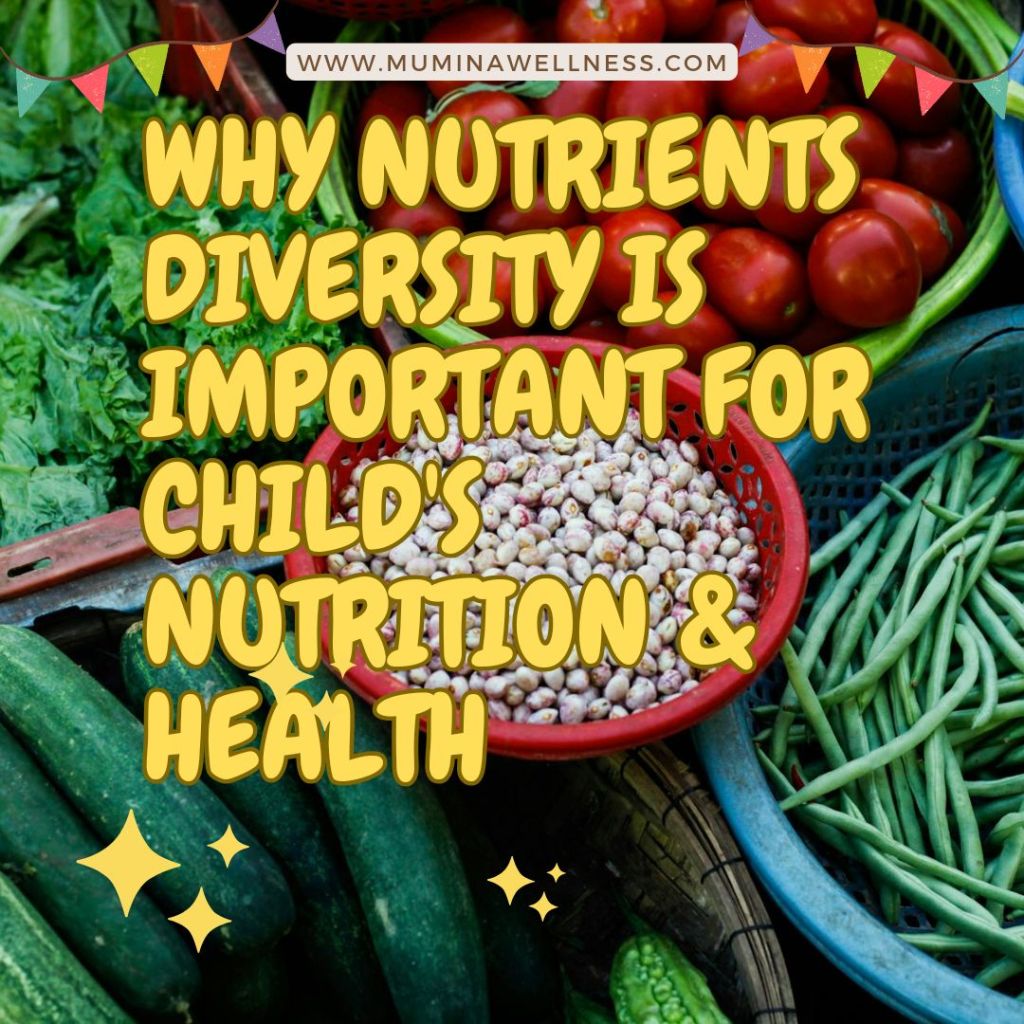
Introduction: The Importance of Dietary Diversity
Malnutrition remains a critical challenge in many regions, disproportionately affecting children under five years. Dietary diversity—consuming a variety of foods from multiple food groups—is a cornerstone of good nutrition and a proven strategy for combating malnutrition.
The World Health Organization (WHO) and UNICEF emphasize the consumption of at least five out of the recommended food groups daily, as outlined in the Maternal, Infant, and Young Child Nutrition (MIYCN) guidelines. This practice is essential for providing essential nutrients that support physical growth, cognitive development, and a strong immune system in children.
But how can parents and caregivers make dietary diversity a reality? This blog will guide you through the why and the how of dietary diversity for children, offering practical, realistic, and achievable strategies to protect and promote their health.
Why Dietary Diversity Matters for Children
- Ensures Adequate Nutrient Intake:
No single food can supply all the nutrients a growing child needs. A diverse diet ensures children receive macronutrients like carbohydrates, proteins, and fats, as well as critical micronutrients such as vitamins and minerals. - Supports Growth and Development:
Diverse diets prevent stunted growth and developmental delays by meeting children’s energy and nutrient needs. - Boosts Immunity:
A diet rich in fruits, vegetables, and proteins strengthens the immune system, reducing the risk of infections and illnesses. - Prevents Malnutrition:
By including multiple food groups, dietary diversity reduces the risk of undernutrition, micronutrient deficiencies, and even obesity. - Promotes Long-Term Healthy Eating Habits:
Exposure to a variety of foods early on fosters a positive relationship with food, encouraging healthy eating patterns that persist into adulthood.
How to Achieve Dietary Diversity Seamlessly
- Know the Food Groups:
The MIYCN guidelines classify foods into the following groups:- Grains, roots, and tubers
- Legumes, nuts, and seeds
- Dairy products
- Meat, fish, and eggs
- Fruits and vegetables
- Plan Balanced Meals:
Use the “My Plate” approach for meal planning:- A portion of grains or tubers (e.g., rice, maize, potatoes)
- A source of protein (e.g., eggs, beans, fish)
- Vegetables and fruits in every meal
- A small serving of healthy fats (e.g., avocado, nuts)
- Introduce Variety Early:
Begin introducing diverse foods during the complementary feeding phase (6-24 months). Rotate different foods weekly to expose children to new tastes and textures. - Make Food Fun:
Turn meals into a playful experience by creating colorful plates with fruits and vegetables or involving children in meal preparation. - Leverage Local Foods:
Use affordable, locally available foods to create balanced meals. For example:- Ugali (maize meal), sukuma wiki (kale), and omena (small fish)
- Sweet potatoes with beans and mango slices
- Avoid Over-Processing Foods:
Minimize the use of processed snacks and focus on whole, nutrient-dense foods to ensure children get maximum nutritional benefits. - Educate and Empower Caregivers:
Provide nutrition education to parents, nannies, and teachers to reinforce the importance of dietary diversity at home and in schools.
Overcoming Common Barriers
- Picky Eating:
Encourage repeated exposure to new foods and mix them with familiar ones to improve acceptance. - Time Constraints:
Prepare simple, nutrient-rich meals in advance, such as stews or casseroles that include multiple food groups. - Budget Limitations:
Focus on cost-effective options like seasonal fruits, legumes, and fortified grains. Community gardens can also supplement household food supplies.
Conclusion: Building a Foundation for Health
Dietary diversity is more than just a guideline—it’s a practical tool to ensure children grow healthy and strong, free from the devastating effects of malnutrition. By incorporating a variety of foods into their daily diets, parents and caregivers can set their children on a path to lifelong health and well-being.
Call to Action
At Mumina Wellness Solutions, we are committed to empowering families with the knowledge and tools to improve their nutrition. If you’re looking for personalized advice or practical meal plans, contact us today.

Subscribe to our newsletter and YouTube channel, Mumina Wellness Solutions, for more tips and insights on promoting child nutrition and health. Together, let’s nurture a healthier future for our children!

 Nutrition, Diet and Health Tips
Leave a comment