Are we unknowingly teaching our children to dislike their beautiful African hair? Think about it—why are we encouraging the use of chemical relaxers, constant hair extensions, and styles that damage their delicate strands? Can’t African hair grow to the desired length and volume naturally? Or is it an attitude gap?
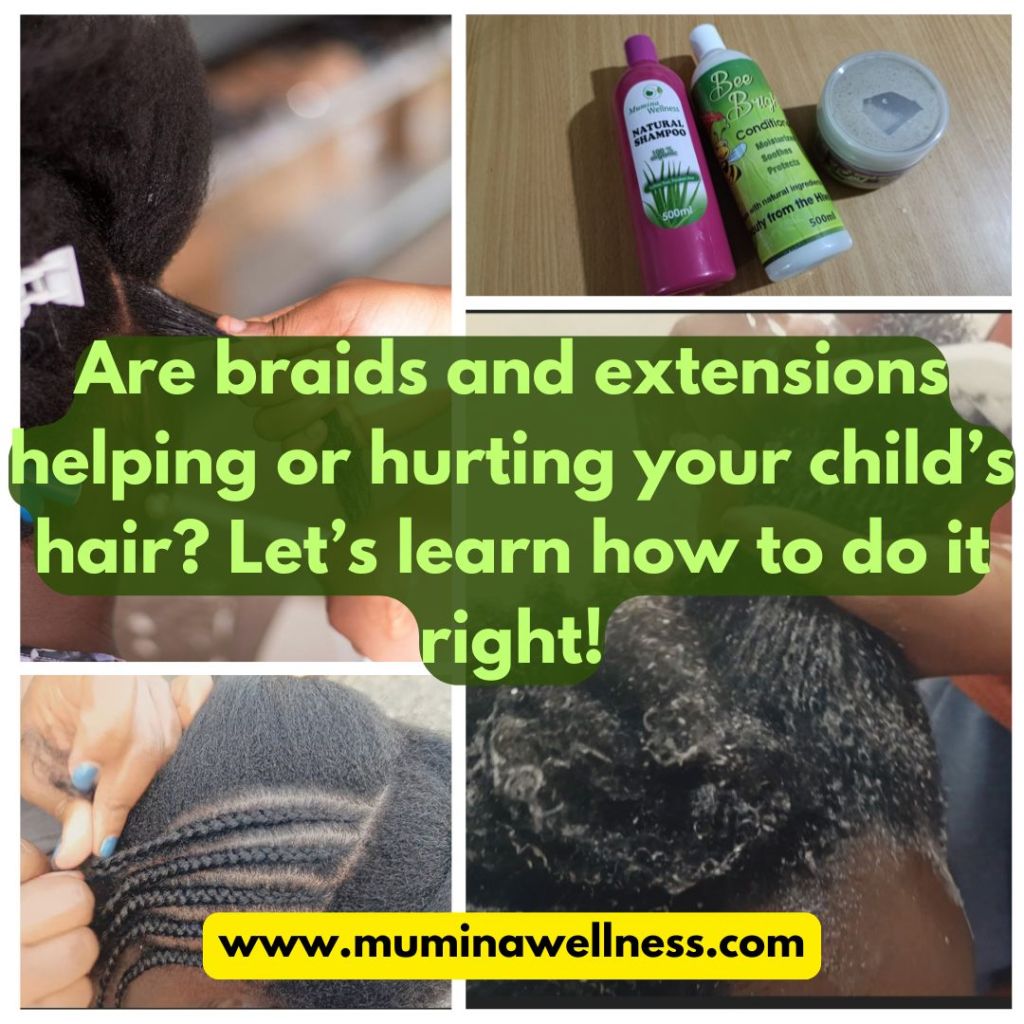
Let’s pause and reflect. Our parents and grandparents didn’t have access to the quality products we have today. Managing natural hair was tough, and they didn’t know better. But what’s our excuse as modern parents?
When I was in public school, things were different. No hair additions were allowed during the school term unless, of course, you were one of the cool kids whose parents had “special arrangements” with the administration. We used to bully them a little—harmless teasing, I promise!
For most of us, hair extensions were reserved for the holidays. December was the season for braids, and even then, it was one style—no constant changes. Why? Because most of our parents were focused on saving money. But here’s the hidden truth: this routine unintentionally protected our natural hair.
Our parents may not have taught us the importance of caring for and loving our African crowns, but their practices gave our hair a break.
Fast forward to high school, where I had the privilege of joining Moi Girls’ School Nairobi. This is where my journey with chemical relaxers began.
I remember my mom relaxing my hair when I joined Form One, but it didn’t quite straighten (haikushika as we say in Swahili). Then came Helen, a lovely girl with older sisters who had “mastered” the relaxer game. She offered to help me “fix” my hair with the relaxer tin she brought to school.
I thought I was getting sleeker, straighter hair. Instead, my troubles began. My hair started shedding immediately. By the end of first term, I had what looked like a bob cut—thin, breaking, and discolored. My mom even accused me of dyeing it!
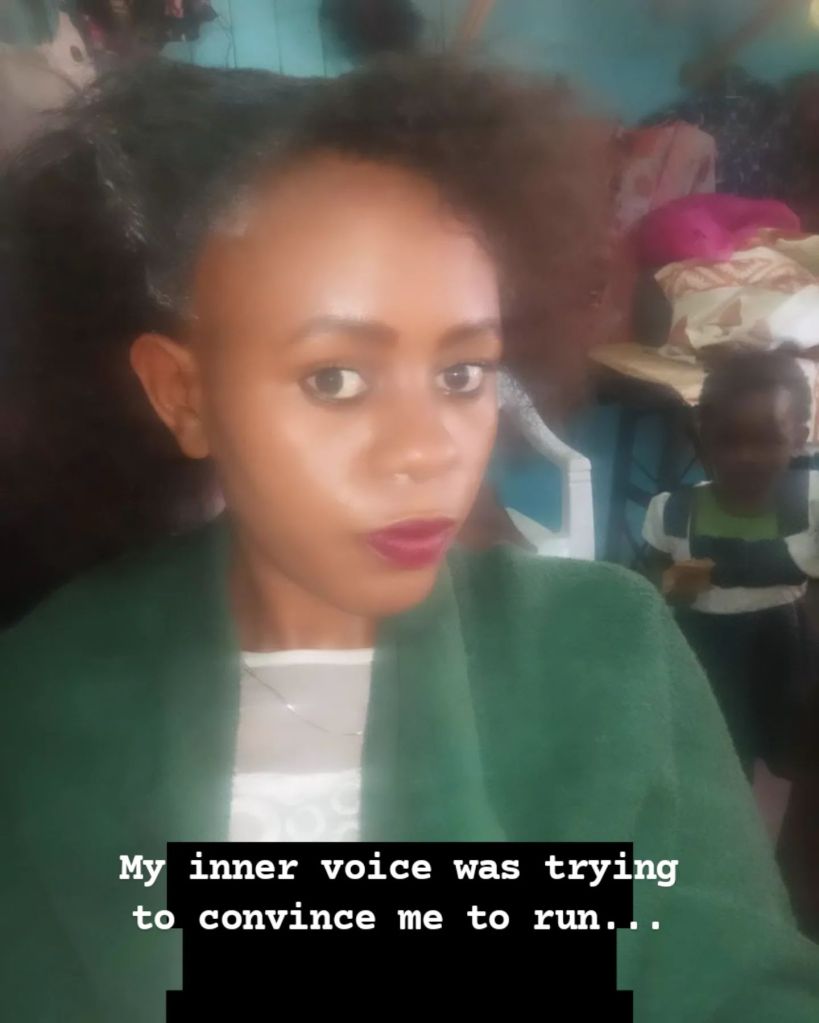
But I can’t blame Helen. Just like me, she didn’t know better.
University came with freedom—more styles, more extensions, and constant changes every two weeks (thanks to a generous boyfriend). Still, my hair was relaxed, weak, and unable to grow in length or volume.
Why am I telling you all this? Because I want us to normalize hair practices that embrace the beauty of African hair—practices that nurture it, not damage it.
As a registered dietitian and passionate stylist, my mission is to promote safety in hair care. I’m here to show you how to retain length, volume, and—most importantly—love for your African curls and kinks.
Here’s the hard truth:
- Constant use of hair additions without breaks weakens the hair, making it prone to breakage and permanent damage.
- Tight, pulling extensions cause hair loss—especially around the edges.
- Overreliance on extensions teaches children to associate beauty and confidence with anything but their natural hair.
Parents, I’m talking to you. Private school culture today has normalized hair additions throughout the school term. Because you’ve paid extra fees, you want your child to look “cool” every day. But at what cost?
This creates two major problems:
- Physical Damage – Your child’s hair becomes weak, thin, and prone to loss.
- Emotional Impact – Your child grows up believing their natural hair isn’t “good enough.” They’ll feel incomplete without extensions, leading to confidence issues and even self-esteem struggles.
Do you really want that for your child? Do you want their hair journey to end in therapy and expensive restoration treatments?
Here’s what we need to do:
- Take Breaks Between Styles – Hair additions are not bad, but they need to be done safely. Give at least 3 months of break time between extensions to allow the hair to recover.
- Choose Protective Styles – Talk to your stylist about styles that allow you to:
- Wash and moisturize your natural hair while the extensions are in.
- Avoid tight braiding or pulling that stresses the scalp.
- Educate Your Child – Teach your kids to embrace their natural hair early. Help them understand that their curls, coils, and kinks are a unique crown of beauty.
- Use Safe and quality products – Show them how to manage African Hair well to retain length and volume using products like our Hair Care range that promotes Detangling making the hair more manageable as well as preventing damages.
That stylist you admire who walks freely, confidently rocking her natural hair? She didn’t get there by chance. She embraced her natural crown, gave it the love and care it deserves, and protected it.
You have the power to shape how your child feels about their hair—today. Start by normalizing natural hair. Start by promoting healthy hair practices. Start by choosing quality products that nourish and protect: Book a Hair/Nutrition consultation with Mumina Wellness Solutions
If you’re an African parent, stylist, or anyone looking for ways to nurture African hair safely, make sure you subscribe to this channel and turn on notifications so you don’t miss out on more tips and hair care solutions.
Let’s rewrite the narrative. Let’s raise a generation that loves and protects their African crowns.
As always,
Signed with love 💕,
Lilian Mutanu Mumina,
Registered Dietitian,
Mumina Wellness Solutions.

 Nutrition, Diet and Health Tips
Leave a comment