As a Nutrition expert and advocate for children’s health, I’ve noticed a worrying trend on social media platforms like TikTok. Misinformation about feeding children is spreading faster than ever, leaving many moms overwhelmed and confused about what’s best for their little ones.
From restrictive feeding practices to one-size-fits-all meal plans, these “trendy” pieces of advice often lack scientific backing and can do more harm than good. And let’s face it—no two children are the same! Their nutritional needs are unique, and their growth demands variety, balance, and care.
Feeding your child is more than just meeting their nutritional needs; it’s about fostering growth, development, and a positive relationship with food. Here are essential principles, backed by science, to guide you through this critical stage of your child’s life:
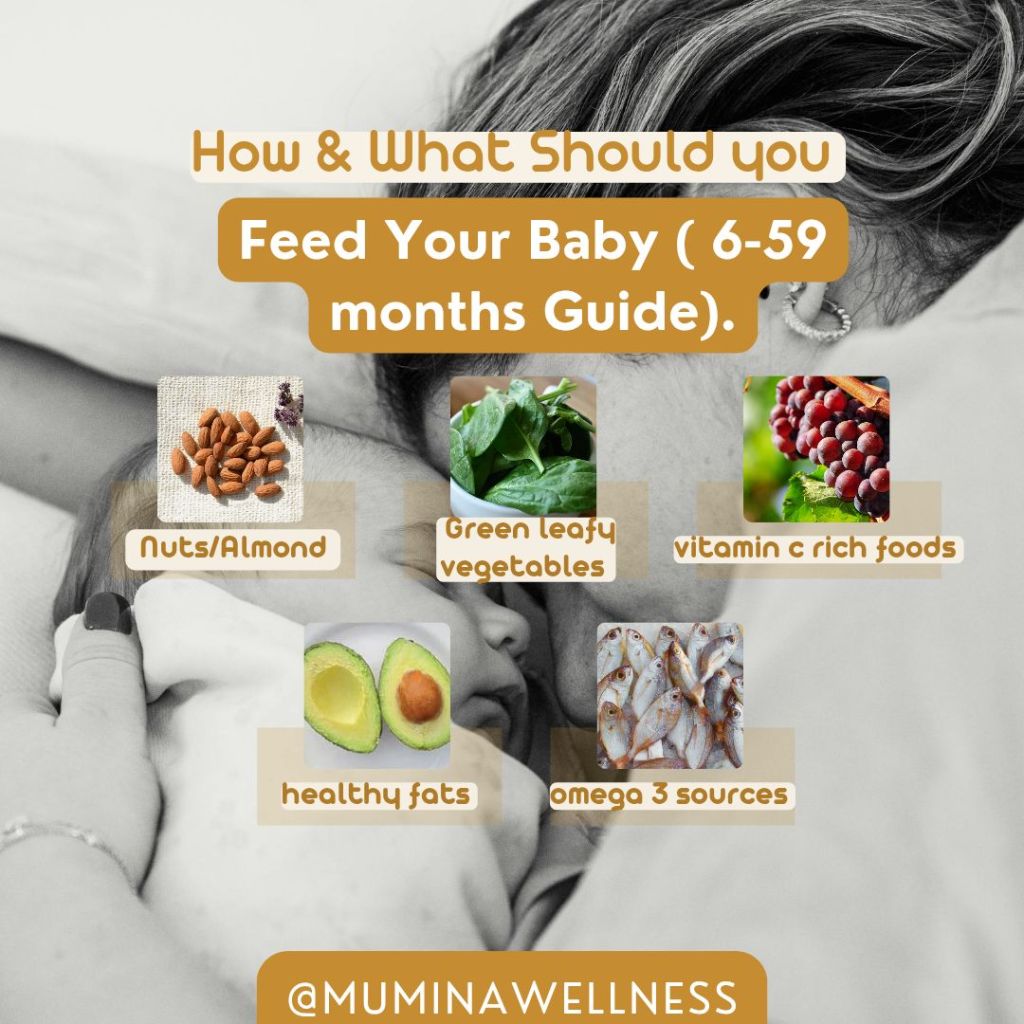
1. Dietary Diversity is Key
Children require a wide variety of nutrients for proper growth and development. Introducing diverse foods exposes them to various flavors, textures, and nutrients while reducing the risk of picky eating later. According to the WHO, dietary diversity ensures that children get essential macronutrients (carbs, proteins, and fats) and micronutrients (vitamins and minerals).
- Carbohydrates: Incorporate both starchy (rice, potatoes, ugali, whole-grain bread) and non-starchy (vegetables, fruits) sources.
- Proteins and Fats: Offer eggs, meats, legumes, nuts, avocados, and dairy. Introduce allergens one at a time to monitor for reactions. Research from the American Academy of Pediatrics highlights that early exposure to allergens like eggs and peanuts (after six months) may reduce allergy risks.
- Micronutrients: Foods rich in iron, zinc, and vitamin A (e.g., liver, leafy greens, orange-colored fruits) are crucial for immunity and cognitive development.
2. Balanced Meals
Young children consume small portions, so every bite must count. A balanced meal includes:
- Proteins (muscle building and repair)
- Carbohydrates (energy)
- Healthy Fats (brain development)
- Vitamins and Minerals (immunity and growth support) Frequent feeding (5–6 times a day) is recommended for children under two years, with at least three main meals and 2–3 snacks in between.
3. Food Safety
Hygiene is non-negotiable when preparing children’s meals. Contaminated water and food are leading causes of diarrhea, a major contributor to malnutrition and child mortality (UNICEF). Always:
- Use clean water.
- Wash hands, utensils, and surfaces thoroughly.
- Cook food properly and store leftovers safely.
4. Hydration
Once solid foods are introduced, offering clean drinking water becomes essential to prevent dehydration and aid digestion. Breastfeeding should continue alongside complementary feeds up to two years or beyond, as it remains a primary hydration source for infants.
5. Textures and Consistencies
The transition from purees to solids is crucial for developing oral motor skills, speech, and self-feeding abilities. Introduce:
- Smooth purees (6–7 months)
- Lumpy and mashed foods (8–9 months)
- Finger foods and small pieces (10–12 months) This progression encourages chewing, enhances coordination, and fosters independence. Supervise closely to avoid choking hazards.
6. Physical Play and Movement
Active play supports digestion and overall health. Outdoor activities help children develop stronger muscles and bones while improving their appetite.
7. Patience and Grace
Children are learning to eat and adjust to new tastes and textures. Creating a relaxed, pressure-free environment fosters positive mealtime experiences. Use colorful plates, encourage self-feeding, and embrace their messy explorations.
8. Avoid Synthetic Sugars
Early exposure to added sugars increases the risk of obesity and dental problems (WHO). Instead, use naturally sweet options like fruits, sweet potatoes, and carrots. Introduce children to a variety of flavors—sour, bitter, and umami—to broaden their palate and reduce reliance on sweet foods.
Sample Baby Meal Plan (6–12 Months)
Below is an example of a balanced daily menu aligned with these principles:
- 6:45–7:00 AM: Breast Milk and a snack of choice ( if necessary)
- 10:00 AM: Porridge (fortified with milk) and fruit slices (e.g., bananas, plums)
- 12:45 PM: Rice with minced beef and greens ( You can always add an Avocado 😋🥑)
- 4:00 PM: Plain yogurt with fruit of choice
- 8:30 PM: Ugali with green vegetables and chicken
Key Guidelines for Feeding Children
- The WHO and UNICEF recommend introducing complementary foods at six months while continuing breastfeeding.
- Gradually increase the quantity, frequency, and variety of foods.
- Avoid honey and cow’s milk as main drinks for children under one year.
- Fortified foods or supplements (e.g. Omega 3, vitamin D, iron etc) may be necessary based on the child’s needs, as per your healthcare provider’s advice.
In Conclusion Balanced, diverse, and age-appropriate feeding not only supports physical growth but also nurtures a lifelong love for healthy eating. Start right and lay the foundation for your child’s holistic development.
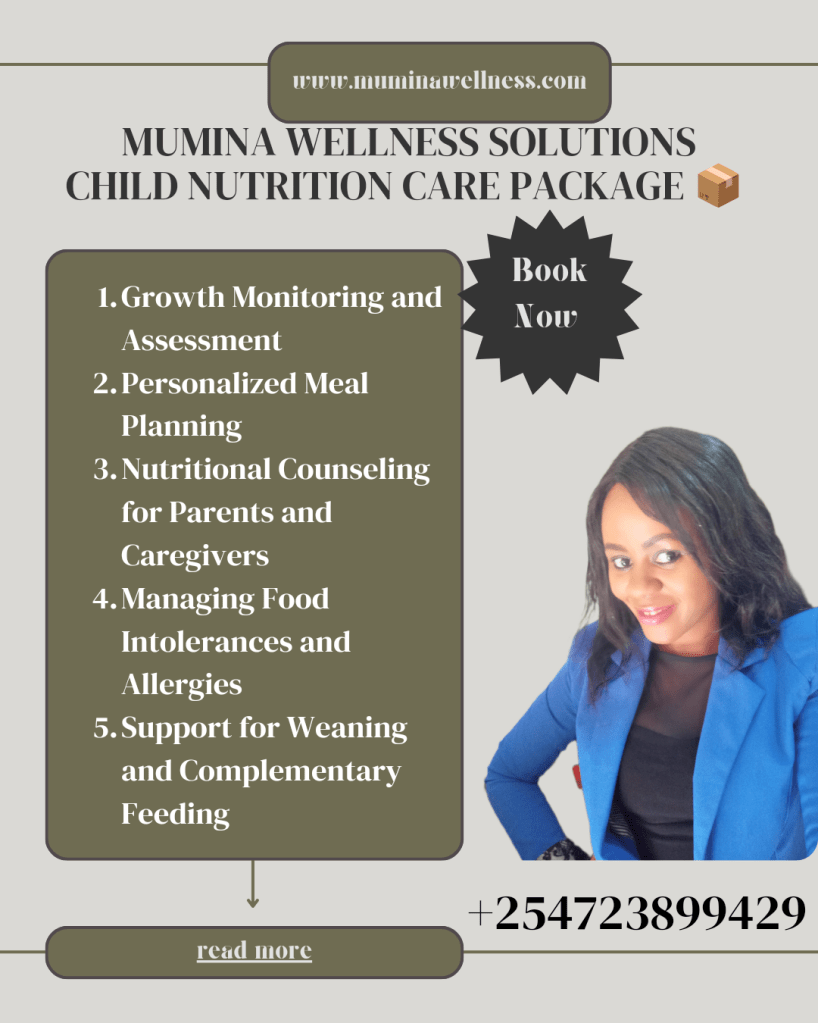
At Mumina Wellness Solutions, we understand that every child is unique. Our Child Nutrition Care Package is designed to support caregivers with:
- Growth monitoring and assessment to ensure healthy development.
- Personalized meal planning to suit your child’s needs and preferences.
- Nutritional counseling for parents and caregivers, helping you make informed decisions.
- Managing food intolerances and allergies with care and expertise.
- Support for weaning and complementary feeding to ease transitions.
If you’re looking for tailored guidance to track your child’s growth, adjust feeding plans, or address nutritional concerns, a structured care package designed for caregivers can offer comprehensive support.
By combining evidence-based practices with personalized support, we aim to empower parents and caregivers to raise healthy, happy children. For more information on how we can support your journey, feel free to explore our website or reach out directly: +254723899429.
Remember to share this with a mom who’s concerned about the Wellbeing of her child, subscribe to my newsletter and follow me on all Socials at Mumina Wellness Solutions. Child Nutrition Playlist on YouTube

 Nutrition, Diet and Health Tips
Leave a comment