Childhood and teenage obesity is a rising public health crisis in Africa, overshadowing the continent’s long-standing battle with undernutrition and micronutrient deficiencies. The paradox of escalating obesity amidst malnutrition reflects shifting dietary patterns, sedentary lifestyles, and socio-economic influences. According to the World Health Organization (WHO), the prevalence of overweight and obesity in African children under five increased from 4.1% in 2000 to 7.6% in 2020, with projections indicating a continued surge unless immediate action is taken.
In Kenya, the Kenya Demographic and Health Survey (KDHS) 2022 revealed that 6% of children under five are overweight. In East Africa, Ethiopia, Uganda, and Tanzania are also experiencing a growing prevalence of childhood obesity, particularly in urban settings. In Nigeria and West Africa, childhood obesity has increased significantly due to dietary changes and urbanization. South Africa has the highest obesity rates in sub-Saharan Africa, with over 13% of children classified as overweight or obese. Globally, the WHO estimates that over 340 million children and adolescents aged 5-19 were overweight or obese in 2016, posing long-term health risks.
Why is Childhood and Teenage Obesity Increasing in Africa?
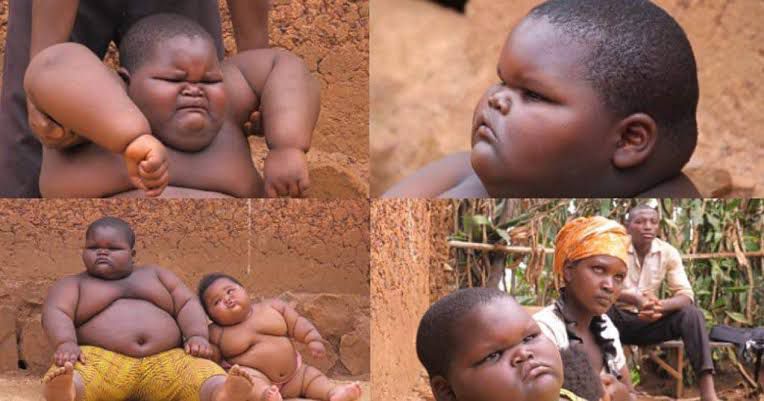
- Dietary Transitions: Traditional, nutrient-dense African diets are being replaced by energy-dense, ultra-processed foods high in sugar, unhealthy fats, and refined carbohydrates. Fast-food chains, sugar-sweetened beverages, and processed snacks are gaining popularity, especially among urban populations.
- Urbanization and Sedentary Lifestyles: Increased urbanization has reduced opportunities for physical activity. Limited playgrounds, prolonged screen time, and reliance on motorized transport contribute significantly to declining activity levels among children.
- Economic Growth and Globalization: Rising household incomes in some regions have made unhealthy foods more accessible. Aggressive marketing by multinational corporations has also led to increased consumption of sugary and processed foods.
- Parental Influence and Cultural Shifts: In some African cultures, a chubby child is perceived as a sign of good health and affluence, leading to overfeeding and a lack of concern about early weight gain.
- Inadequate Policies and Weak Regulatory Frameworks: Many African governments lack stringent policies on food labeling, taxation on sugary drinks, and advertising restrictions on unhealthy foods targeting children.
- Educational and Awareness Gaps: Many parents and guardians are unaware of the long-term health risks associated with childhood obesity, including diabetes, cardiovascular diseases, and hypertension.
The Dangers of Childhood and Teenage Obesity
- Increased risk of non-communicable diseases (NCDs) such as diabetes, hypertension, and cardiovascular diseases later in life.
- Psychological effects, including low self-esteem, depression, and social stigma.
- Higher healthcare costs for families and increased burden on already strained healthcare systems.
- Reduced quality of life and increased risk of premature mortality.
Proposed Awareness Campaign Strategies
- Public Awareness Campaigns: Nationwide sensitization on the dangers of childhood obesity, healthy dietary habits, and physical activity promotion.
- School-Based Nutrition Programs: Integration of nutrition education into school curriculums, implementation of healthy school meal policies, and restriction of junk food sales within schools.
- Legislative and Policy Actions: Governments should enact policies such as taxation on sugary beverages, clearer food labeling, and restrictions on unhealthy food marketing aimed at children.
- Community Engagement and Parental Education: Conduct community workshops to educate parents and guardians on healthy feeding practices and lifestyle choices.
- Promotion of Physical Activity: Investment in child-friendly recreational spaces, enforcement of mandatory physical education in schools, and promotion of extracurricular sports activities.
- Healthcare Interventions: Routine screening for childhood obesity in healthcare settings, coupled with early interventions to mitigate long-term risks.
- Increased Funding and Global Partnerships: Collaboration with international organizations, governments, and private sector stakeholders to enhance funding for nutrition initiatives and research on obesity trends in Africa.
Conclusion Childhood and teenage obesity is a growing crisis in Africa, demanding urgent action. While Africa still battles undernutrition, the rise in obesity presents a dual burden that must be addressed through evidence-based interventions, policy changes, and increased investment in public health initiatives. By working collaboratively, governments, stakeholders, and communities can curb the obesity epidemic and secure a healthier future for African children.
Call to Action We invite policymakers, health professionals, educators, and community leaders to join us in a series of awareness campaigns and webinars aimed at tackling childhood and teenage obesity in Africa. Together, we can advocate for stronger policies, increase public awareness, and promote healthier lifestyles for our future generations. Let’s act now to safeguard the health of African children and teenagers!

 Nutrition, Diet and Health Tips
Leave a comment