Introduction: What is Intentional Parenting?
Intentional parenting is a deliberate, mindful approach to raising children, ensuring their emotional, physical, social, and cognitive needs are met for optimal development. It goes beyond providing financial support or showering children with gifts and luxuries. Instead, it focuses on nurturing a child’s well-being through conscious decisions about nutrition, discipline, lifestyle, and emotional security.
Many parents mistake “giving their children the best” for intentional parenting. But does enrolling a child in the best school, buying them expensive clothes, or giving them unlimited access to entertainment equate to effective parenting? Not necessarily.
Research shows that a child’s early life experiences, particularly in nutrition, social interactions, and parental engagement, shape their long-term health, cognitive function, and emotional resilience (Shonkoff et al., 2012). Let’s explore how intentional parenting—or the lack of it—can influence a child’s nutritional and overall health status.
1. Nutrition: The Cornerstone of Lifelong Health
Intentional parenting prioritizes nutrition as a key component of child development. What children eat in their formative years influences their metabolic health, brain development, immune function, and even emotional well-being.
How Poor Parenting Choices Affect Nutrition
- Over-reliance on Convenience Foods
- Ultra-processed foods (e.g., instant noodles, flavored yogurts, sugary cereals, store-bought juices) are high in refined sugars, unhealthy fats, and artificial additives.
- Studies show that excessive consumption of processed foods in early childhood increases the risk of obesity, type 2 diabetes, and non-alcoholic fatty liver disease (Swinburn et al., 2019).
- Early Introduction of Unhealthy Foods
- Parents who introduce sweetened cow’s milk, flavored yogurts, and sugary snacks early condition their child’s palate to prefer sweet and ultra-processed foods, leading to poor dietary habits later in life (Birch & Anzman, 2010).
- The WHO and UNICEF recommend exclusive breastfeeding for the first six months, followed by nutrient-dense complementary feeding, yet many parents introduce inappropriate foods too soon.
- Lack of Parental Modeling
- Children mirror parental eating habits. If parents consume junk food, skip meals, or prioritize convenience over home-cooked meals, children develop similar tendencies (Scaglioni et al., 2018).
- A study in The Journal of Nutrition found that children whose parents regularly eat fast food are more likely to adopt unhealthy eating habits.
Intentional Parenting and Healthy Nutrition
✅ Prioritizing Whole Foods – Intentional parents offer diverse, whole, nutrient-dense foods rather than relying on highly processed options.
✅ Educating Children on Healthy Choices – Research shows that children exposed to varied diets early develop healthier long-term eating habits (Ventura & Worobey, 2013).
✅ Mindful Meal Planning – Making family mealtimes a priority enhances dietary quality and improves children’s emotional well-being (Fiese & Schwartz, 2008).

2. Physical Health: Movement vs. Sedentary Lifestyle
Intentional parenting acknowledges the importance of physical activity in childhood development. The modern lifestyle, dominated by screens, urbanization, and limited outdoor play, is worsening the childhood obesity crisis.
How Poor Parenting Habits Lead to Physical Health Issues
- Excessive Screen Time
- Studies indicate that children who spend more than 2 hours daily on screens are at a higher risk of obesity, poor sleep, and delayed cognitive development (AAP, 2019).
- The WHO recommends at least 3 hours of active play daily for toddlers, yet many children remain sedentary due to digital entertainment.
- Reduced Outdoor Play
- Outdoor play improves motor skills, mental health, and immunity (Ginsburg, 2007).
- Overprotective parenting reduces exposure to essential microbes, increasing the risk of allergies and autoimmune diseases (Rook, 2013).
How Intentional Parenting Supports Physical Health
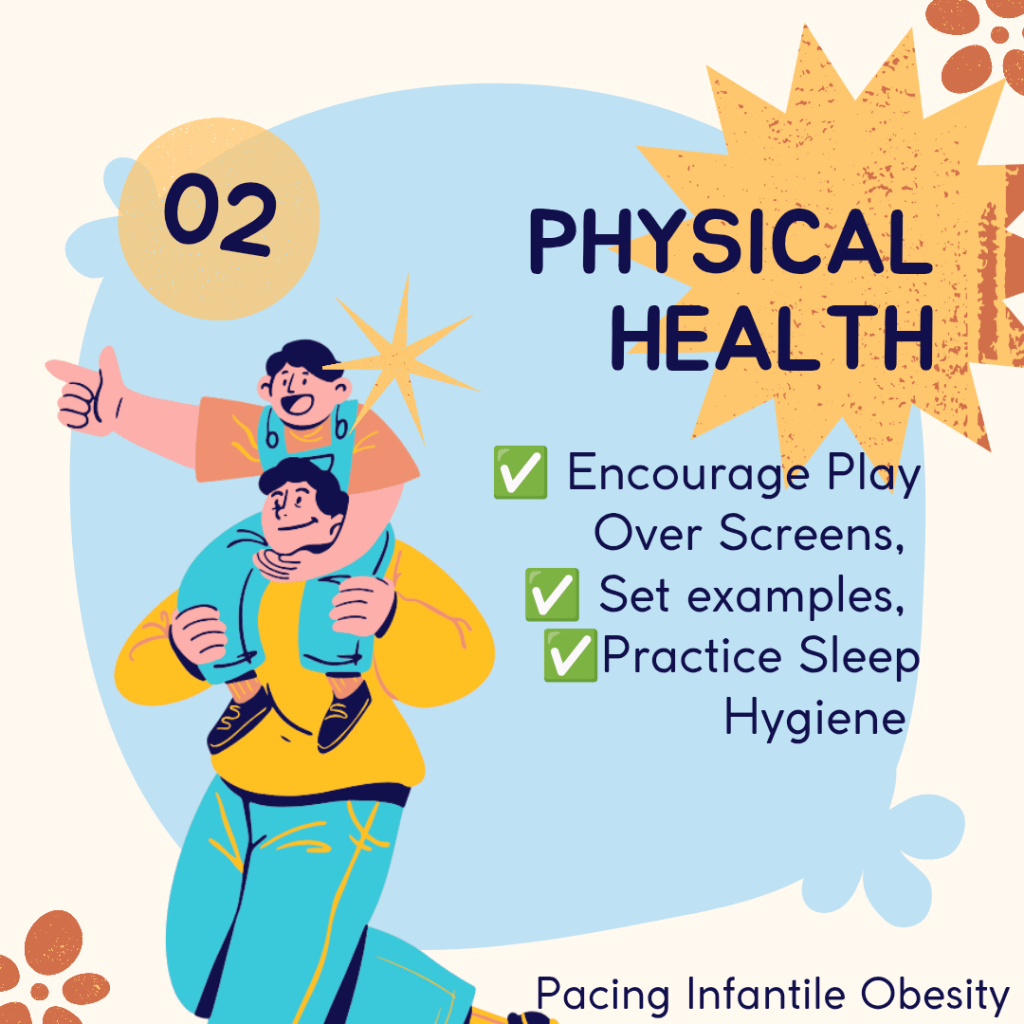
✅ Encouraging Play Over Screens – Intentional parents limit screen time and encourage active play, nature walks, and outdoor exploration.
✅ Setting an Example – When parents engage in physical activities, children are more likely to be active (Trost et al., 2003).
✅ Prioritizing Sleep Hygiene – Proper sleep duration and quality are crucial for metabolism, growth, and brain function. Intentional parents establish bedtime routines that support healthy sleep patterns.
3. Mental and Emotional Well-being: The Role of Nurturing
A child’s emotional security is largely influenced by parenting style. Intentional parenting provides a stable, nurturing environment that fosters resilience, self-esteem, and emotional intelligence.
How Poor Parenting Contributes to Emotional Distress
- Neglecting Emotional Connection
- Parents who outsource child-rearing to nannies or gadgets weaken parent-child bonding, which is crucial for emotional security (Ainsworth, 1979).
- Emotional neglect in early childhood increases the risk of anxiety, depression, and poor self-regulation (Davis et al., 2019).
- Overindulgence and Lack of Boundaries
- Giving a child everything they want without structure creates entitlement and poor emotional regulation.
- A study in Developmental Psychology found that children who lack boundaries struggle with impulse control, delayed gratification, and self-discipline.
How Intentional Parenting Promotes Emotional Well-being
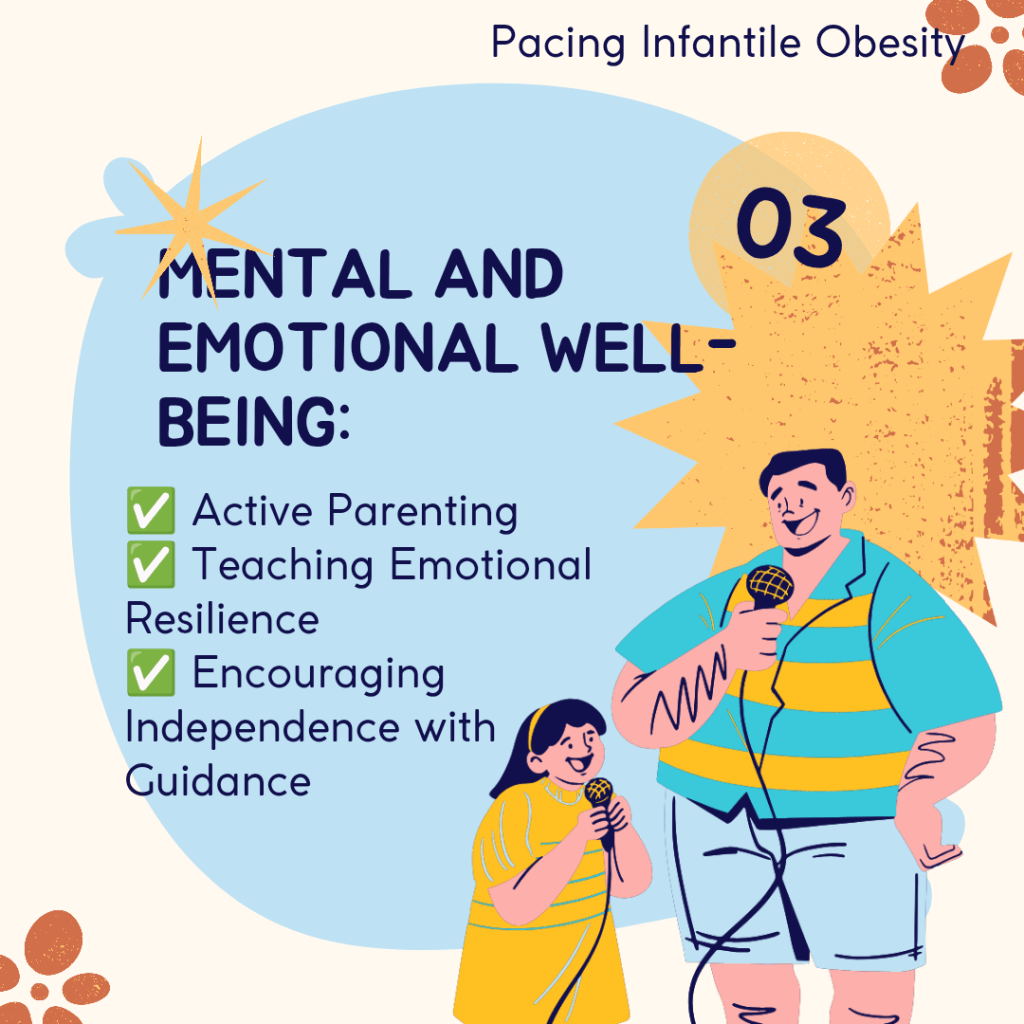
✅ Active Parenting – Engaging in regular conversations, playtime, and deep bonding moments strengthens emotional intelligence.
✅ Teaching Emotional Resilience – Children raised with clear boundaries, discipline, and emotional support develop better coping mechanisms.
✅ Encouraging Independence with Guidance – Allowing children to explore within structured guidance fosters confidence and problem-solving skills.
Conclusion: The Future of Our Children Depends on Intentional Parenting
Intentional parenting isn’t about spending money on the best schools, toys, or clothes. It’s about prioritizing a child’s holistic development—physically, mentally, emotionally, and nutritionally.
If we don’t take an active role in teaching healthy eating, encouraging physical activity, and fostering emotional resilience, we risk raising children who are:
❌ Overweight or malnourished
❌ Prone to metabolic disorders and poor immunity
❌ Emotionally unstable and socially disconnected
On the other hand, intentional parenting raises children who are:
✅ Healthy, resilient, and emotionally secure
✅ Mindful eaters with strong nutritional foundations
✅ Physically active with better cognitive and social skills
The future health of the next generation depends on how we parent today. Are you ready to raise a healthier, happier, and well-balanced child?
Let’s talk. What steps are you taking to be an intentional parent?

 Nutrition, Diet and Health Tips
Leave a comment