
Ever worked under someone who made you feel like no matter how good your ideas were, they just had to be in control of everything? Like every move you made was watched, questioned, or even changed – just for the sake of it?
Yeah, that’s micromanagement. And trust me, if you’re in a leadership position, this could be the very reason you’re losing your best people.
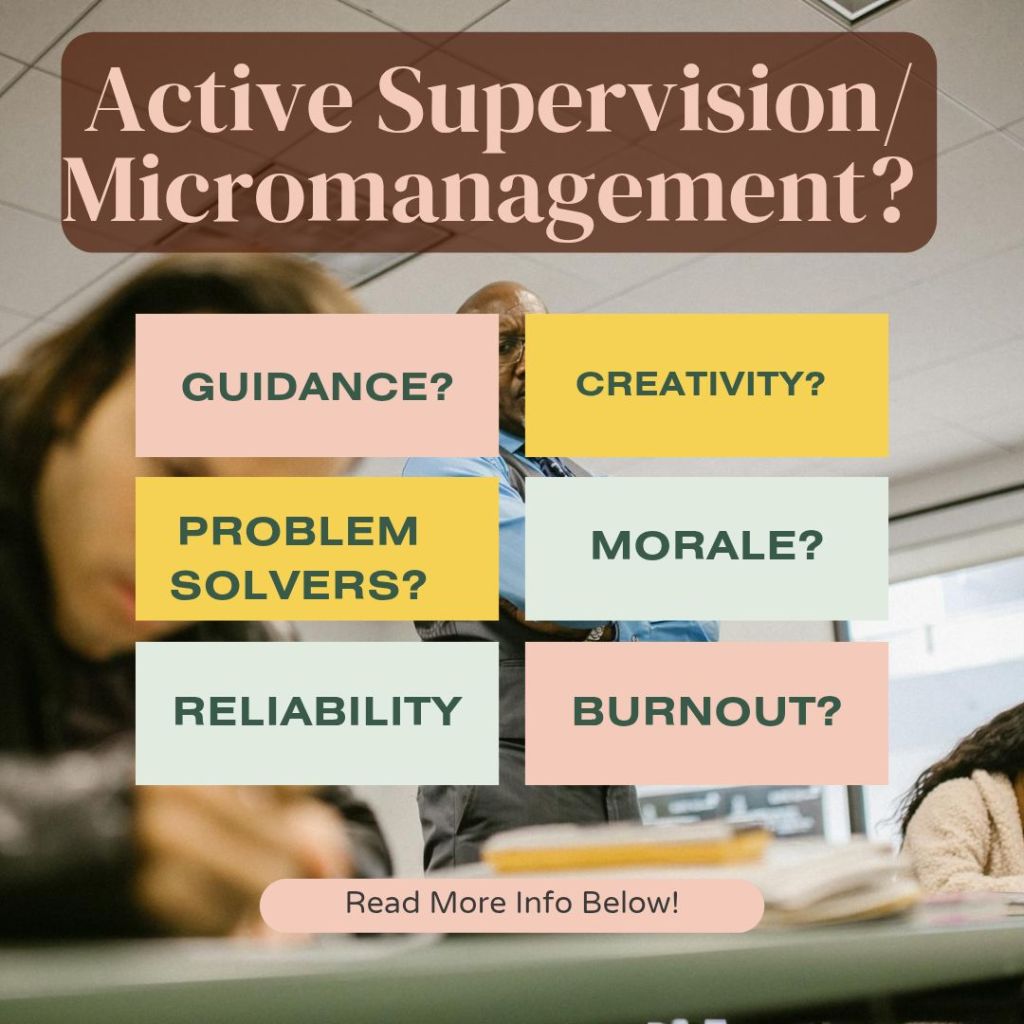
Let’s be honest, as leaders, we love to stay on top of things—ensuring work is done, projects move smoothly, and goals are met. That’s normal. But there’s a huge difference between active supervision and micromanagement, and crossing that line can cripple productivity, kill creativity, and make your best employees disengage.
So, let’s break it down.
Active Supervision vs. Micromanagement – The Thin Line
Imagine you have a new team member working on an important project. There are two ways to handle it:
- Active Supervision – You provide a clear vision, give them space to think and execute, step in only when needed, and guide them with constructive feedback. You trust their skills but remain available for support.
- Micromanagement – You hover over every task, demand updates every hour, make unnecessary corrections, and ultimately override their ideas because “your way is the only right way.”
The difference? One builds confidence; the other builds frustration.
Why Micromanagement is a Talent Killer
When people feel watched like hawks, second-guessed, and over-controlled, they stop taking initiative. They stop problem-solving and eventually, they just do the bare minimum—because, well, what’s the point of trying?
A company doesn’t just need workers; it needs thinkers, problem-solvers, and leaders-in-the-making. But micromanagement destroys that by:
- Killing Creativity – If every idea is shut down, why even try?
- Lowering Morale – Constant interference makes employees doubt their own abilities.
- Encouraging Burnout – Because they feel suffocated under unrealistic expectations.
- Increasing Turnover – Your best talents will leave for places where they feel valued.
And ironically? The leaders who micromanage the most are usually the ones drowning in work—because they’ve trained their teams to be dependent on them for every little thing.
When is Supervision Necessary?
Now, I’m not saying “hands-off” leadership is the answer either. Supervision is important. There are times when active involvement is needed, especially:
✅ When onboarding new employees – They need guidance and structured feedback to gain confidence.
✅ When handling high-risk projects – A certain level of control is necessary to prevent costly mistakes.
✅ When performance drops – If someone is struggling, they need support, not suffocation.
But the difference is trust. Supervision allows people to own their tasks, learn, and grow. Micromanagement makes them feel incapable.
The Leadership Mindset Shift
If you’re a leader, ask yourself:
- Do I trust my team enough to make decisions?
- Do I provide guidance without taking over?
- Am I creating problem-solvers or just task-doers?
The best leaders build other leaders. They don’t fear smart, creative minds—they embrace them. They don’t see competence as a threat—they nurture it.
So, if you find yourself constantly fixing things, controlling processes, or feeling “only you can do it right”—take a step back. Ask yourself: Am I supervising, or am I micromanaging?
Because supervision empowers. Micromanagement suffocates. And the choice is yours.
Final Thoughts – What Kind of Leader Will You Be?
At the end of the day, the goal isn’t just to get things done. It’s to build a workplace where people thrive, innovate, and push beyond expectations. And that only happens when leadership inspires growth, not fear.
So tell me—what’s your experience? Have you ever worked under a micromanager? Or have you been guilty of micromanaging yourself? Let’s talk in the comments!

 Nutrition, Diet and Health Tips
Leave a comment