You wake up from 6–8 hours of sleep. The first thing you reach for is coffee, tea, juice, or even a soda. But not water.
Pause for a second — do you even love yourself?
Your body has gone for hours without hydration. By morning, you’re already in a mild state of dehydration. The first sip you take sets the tone for your body’s metabolic and hormonal balance for the day.
And yes — the color of your urine is one of the simplest indicators of how well you’re treating your body. Pale yellow? You’re on track. Dark yellow or amber? Your body is calling out for water.
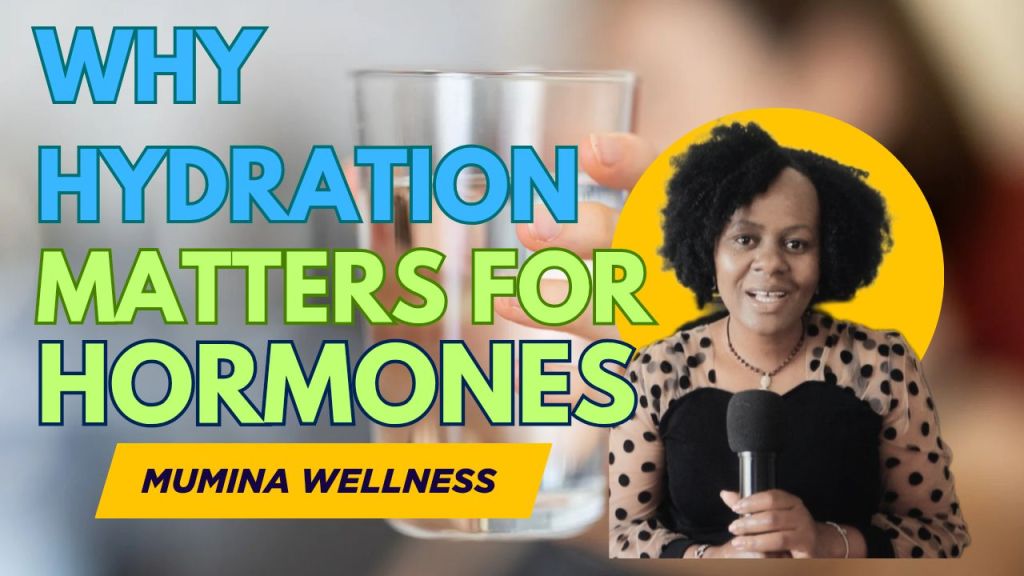
Why Hydration Matters for Hormones
Water isn’t just about quenching thirst. It plays a central role in metabolism, circulation, and detoxification — all of which directly influence hormones.
- Metabolism: Every cell reaction that processes nutrients, burns energy, or regulates blood sugar depends on water. Dehydration slows these reactions down, leading to fatigue and sluggish metabolism.
- Hormone Transport: Hormones travel through blood and lymph, which are mostly water. Poor hydration = poor circulation of these chemical messengers.
- Detoxification: Your liver and kidneys break down excess hormones and waste. Without water, this system clogs up, leading to hormonal imbalances.
Hydration and PCOS: The Overlooked Link
Because September is PCOS Awareness Month, let’s connect the dots.
Polycystic Ovary Syndrome (PCOS) is a metabolic and hormonal condition affecting up to 1 in 10 women of reproductive age (WHO, 2023). Women with PCOS often struggle with:
- Insulin resistance
- Inflammation
- Hormonal imbalances (testosterone, estrogen, progesterone)
Hydration plays a quiet but powerful role here:
- Drinking enough water supports insulin sensitivity by helping your body move glucose into cells efficiently.
- Adequate hydration reduces inflammation, which is already elevated in PCOS.
- Proper fluid balance ensures hormones like cortisol and androgens stay regulated, preventing further disruptions.
Something as simple as a morning glass of water helps reset metabolism, supports hormonal detox, and gives your body a fighting chance against PCOS complications.
A Realistic Self-Check
Next time you wake up, ask yourself:
- Did I drink water before coffee?
- What color is my urine telling me about my hydration status?
- Am I choosing water consistently through the day, or only when I feel parched?
This isn’t about restriction; it’s about self-respect and hormonal self-care.
Closing Thoughts
Hydration is free, simple, and powerful — yet it’s often overlooked in women’s health. For women living with PCOS, it’s not just a wellness hack; it’s part of metabolic management.
As we highlight PCOS Awareness Month, let’s start with the basics: love yourself enough to drink water first.
💧 Your hormones will thank you.
References:
- World Health Organization. Polycystic Ovary Syndrome: A Global Health Challenge. 2023.
- Institute of Medicine (US). Dietary Reference Intakes for Water, Potassium, Sodium, Chloride, and Sulfate. 2005.
- Popkin BM, D’Anci KE, Rosenberg IH. Water, hydration, and health. Nutrition Reviews. 2010;68(8):439–458.
👉 For more on how hydration, hormones, and sexual health connect, catch up Sexual Performance & Health discussions here: https://www.linkedin.com/posts/lilian-mumina-4b12b560_wellnesswednesdays-womenhealth-hormones-activity-7371248334591844352-wqK0?utm_source=social_share_send&utm_medium=android_app&rcm=ACoAAAzbt4UBh1aDKHMF8-xqWiW05r1unOfWktM&utm_campaign=copy_link

 Nutrition, Diet and Health Tips
Leave a comment