One of the most common questions pregnant women ask is:
“What exactly should I be eating now?”
Pregnancy increases your body’s nutritional demands — not just for your growing baby, but also for you. Blood volume increases, organs work harder, hormones shift, and tissues are constantly being built.
Yet despite this, many women are left confused:
- What foods matter most?
- How much is enough?
- What if I can’t tolerate certain foods?
- How do I eat well when appetite, nausea, or cravings are all over the place?
Pregnancy nutrition should not feel overwhelming — it should feel intentional, flexible, and supportive.
Why Meal Planning Matters More During Pregnancy
During pregnancy, food is not just fuel — it is information.
What you eat influences:
- Baby’s growth and development
- Placental function
- Energy levels and immunity
- Risk and management of pregnancy-related complications
- Recovery after delivery
This is why meal planning with purpose matters.
Key Principles to Consider When Planning Pregnancy Meals
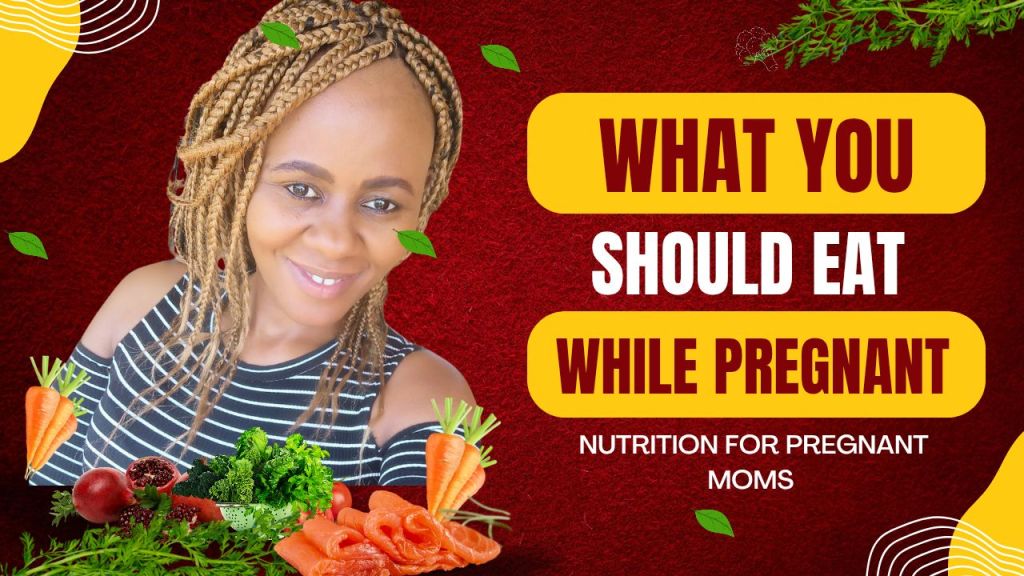
1. Variety: Don’t Rely on One Food Group
No single food contains all the nutrients needed during pregnancy.
Eating a variety of foods helps ensure you get:
- Different vitamins and minerals
- A wider range of phytonutrients
- Better gut health and digestion
Variety also helps prevent nutrient gaps — especially when appetite or tolerance changes.
2. Nutrient Density: Make Every Bite Count
Pregnancy is not the time for empty calories.
Nutrient-dense foods provide more nutrients per bite, which is especially important when:
- Appetite is low
- Nausea limits intake
- Portions are smaller
Think foods that offer protein, vitamins, minerals, and healthy fats together, not just calories.
3. Balance: Every Meal Should “Work for You”
A balanced pregnancy meal ideally includes:
- Protein
- Healthy fats
- Quality carbohydrates
- Fruits and/or vegetables
This balance helps with:
- Blood sugar stability
- Sustained energy
- Better nutrient absorption
- Reduced fatigue and cravings
4. Quality Matters: Choose Foods That Nourish
Not all foods within the same group offer the same benefits.
Whenever possible:
- Choose whole or minimally processed foods
- Rotate protein sources
- Include local, culturally familiar foods
- Focus on preparation methods that preserve nutrients
Quality foods support both maternal health and fetal development.
Core Food Groups to Include Daily During Pregnancy
1️⃣ Quality Proteins
Protein supports tissue growth, hormones, enzymes, and baby’s development.
Sources include:
- Meat, poultry, fish
- Eggs
- Beans and legumes
- Nuts and seeds
👉 If meat or certain proteins are hard to tolerate, alternatives and pairings matter — this is where guidance becomes valuable.
2️⃣ Healthy Fats
Healthy fats support:
- Baby’s brain and eye development
- Hormone production
- Absorption of fat-soluble vitamins (A, D, E, K)
Sources include:
- Eggs
- Avocados
- Fatty fish (omena, mbuta, sardines)
- Nuts and seeds
- Cod liver oil or omega-3 supplements (when advised)
3️⃣ Quality Carbohydrates
Carbohydrates provide the energy needed to sustain pregnancy.
Good sources include:
- Wholegrain bread
- Potatoes and yams
- Rice
- Ugali
- Matoke and other starchy foods
Carbs are not the enemy — your body needs energy to carry a pregnancy.
4️⃣ Fruits & Vegetables
These provide:
- Vitamins and minerals
- Antioxidants
- Fibre for digestion
Aim for:
- Dark leafy greens
- Colourful fruits and vegetables
- Different colours across the week
The more variety, the better.
5️⃣ Water: Hydration Is Foundational
Water supports:
- Blood volume
- Amniotic fluid
- Digestion
- Energy levels
- Skin and circulation
Drink water intentionally throughout the day — especially if nausea, vomiting, or constipation are present.
6️⃣ Prenatal Supplements: Non-Negotiable
Even with the best diet, pregnancy increases nutrient needs beyond food alone.
Prenatal supplements help:
- Bridge nutrient gaps
- Support iron, folate, iodine, vitamin D, and other critical needs
- Compensate for absorption challenges caused by nausea or gut issues
Supplements complement food — they don’t replace it.
Why Personalised Guidance Makes a Difference
Most women know what they should eat — the challenge is how to make it work in real life.
That’s why I created my Pregnancy Nutrition Coaching Program.
I don’t just tell you what to eat.
I help you:
- Find alternatives to foods you can’t tolerate
- Pair foods to improve absorption
- Maintain natural, enjoyable flavours
- Support intake when appetite is low
- Manage pregnancy-related nutrition challenges
As a Registered Dietitian and a woman who has lived through pregnancy, I understand both the science and the reality.
Program & Consultation Information
✨ Pregnancy Nutrition Coaching Program
📅 Starting 15th of every month all through the year..
✨ One-on-One Nutrition Consultations
💰 Kshs. 3,000
(Open to pregnant, planning, or breastfeeding moms)
If you want structured, personalised support — this is for you.
Reach us today: +254723899429
Let’s Learn From Each Other
Share in the comments:
- Foods you tolerate well during pregnancy
- Foods you struggle with
- Tips that have worked for you
Your experience might help another mama.
Follow for More
Follow us and subscribe for evidence-based insights on pregnancy nutrition, maternal health, and wellness.
Mumina Wellness Solutions – Pregnancy Nutrition Playlist

 Nutrition, Diet and Health Tips
Leave a comment