Cancer Day 2026 — United by Unique: A Call to Action for Kenya’s Health
Today, 4 February 2026, the world marks World Cancer Day under the global theme “United by Unique” — reminding us that while cancer affects every community differently, the solutions must start with each of us and our everyday choices.
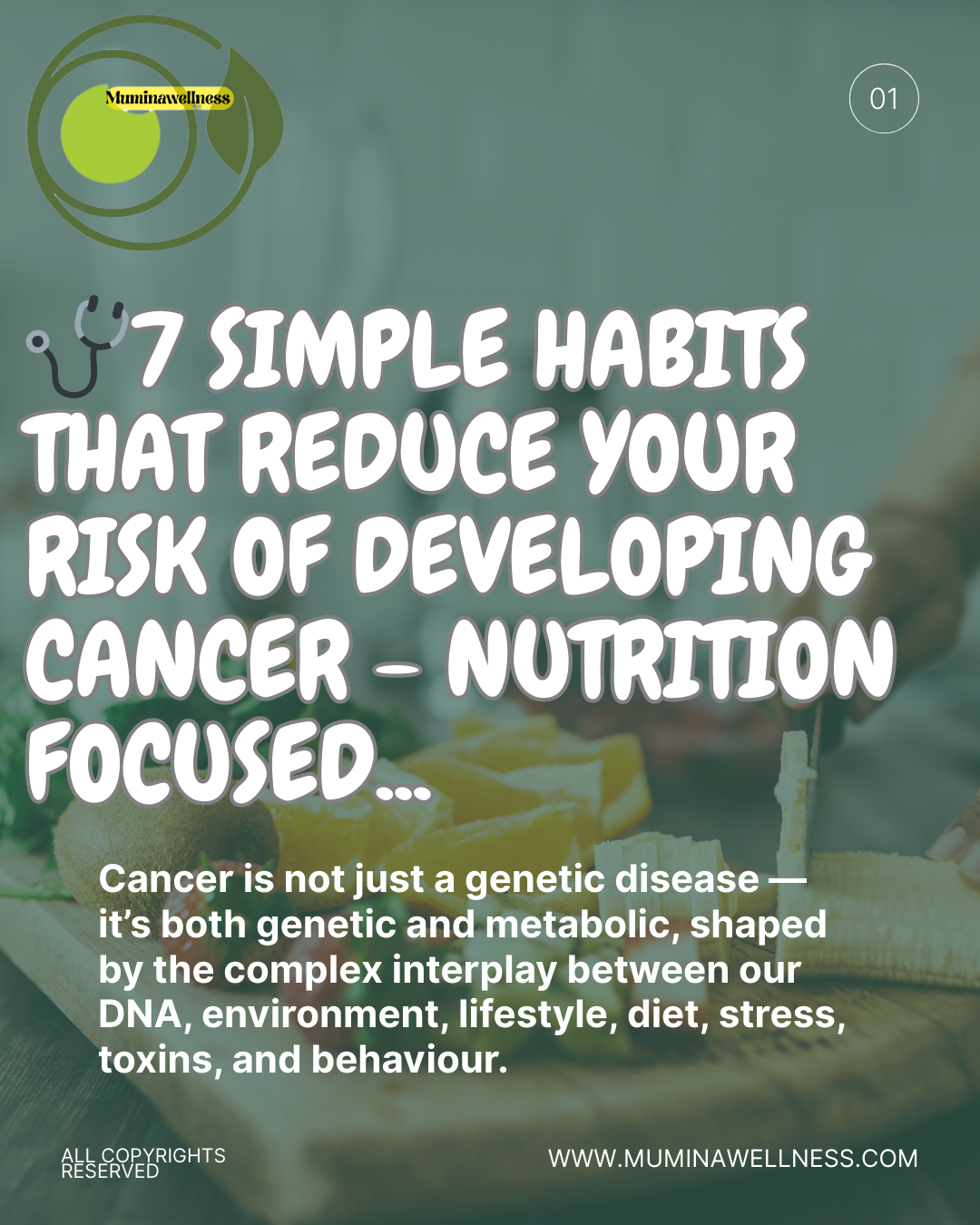
Cancer is not just a genetic disease — it’s both genetic and metabolic, shaped by the complex interplay between our DNA, environment, lifestyle, diet, stress, toxins, and behaviour. The good news? A significant proportion of this risk is modifiable. Globally, more than 40–50% of cancer cases are linked to modifiable risk factors, including tobacco, alcohol, poor diet, inactivity, and harmful environmental exposures.
In Kenya, cancer continues to place a heavy burden on individuals, families, and our already strained healthcare system. According to Ministry of Health data, cancer is the third leading cause of death after infectious and cardiovascular diseases, with tens of thousands of new cases diagnosed each year — and an estimated 42,000 new diagnoses and over 27,000 deaths annually. Projections show that new cases could rise to 58,000 per year by 2028 if current trends continue.
Cervical cancer alone accounts for an estimated 5,800 new cases and over 3,600 deaths annually, despite being largely preventable through vaccination and early screening.
👉 This burden isn’t inevitable — it can be reduced with a shift from reactive, treatment-only care to a holistic strategy that includes:
- Protective measures (such as vaccines and dietary/lifestyle improvements)
- Preventive strategies (like continuous early screening and awareness)
- Support for metabolic health to keep the body’s homeostasis (balance) intact
As a nutrition and dietetics professional passionate about metabolic health and cancer prevention, here are 7 evidence-based ways to support your body’s natural defences and help reduce your risk of developing cancer:
1. Prioritise Gut Health & Digestion
A healthy gut supports immune function and metabolic balance. Chronic inflammation, dysbiosis (imbalanced microbiome), and digestive disorders are linked to higher cancer risks. Focus on whole, fiber-rich foods, fermented foods, and regular meals to support digestion and nutrient absorption.
2. Physical Movement Is Non-Negotiable
Regular physical activity helps regulate hormones, reduce inflammation, maintain a healthy weight, and enhance immune function — all important in reducing cancer risk. Even brisk walking, cycling, or dance for 30 minutes most days can make a difference.
3. Reduce Highly Processed Foods & Sugary Drinks
Diets high in processed foods, sugary drinks, and refined carbohydrates are associated with inflammation, obesity, and metabolic dysfunction — all of which can elevate cancer risk. Swap these for fruits, vegetables, whole grains, and lean proteins.
4. Limit Alcohol & Avoid All Forms of Smoking
Alcohol is a known carcinogen linked to cancers of the liver, breast, colon, and more, while any form of smoking — including cigarettes, vapes, and shisha — significantly increases cancer risk.
5. Stress Management for Emotional Well-Being
Chronic stress influences hormones, sleep, eating habits, and inflammation — factors that affect metabolic health. Mindfulness, quality sleep, meditation, and stress-reducing practices support hormonal balance and resilience.
6. Prioritise Food Safety & Nutrient Quality
It’s not just what we eat — but how it’s produced. Advocate for stricter food safety, reduced pesticides and additives, and nutrient-dense foods. Choose minimally processed, fresh produce when possible and support community food quality initiatives.
7. Control Inflammation & Blood Sugar Through Diet
Chronic inflammation and high blood sugars create an environment conducive to cancer growth. Eating more whole foods, colourful vegetables and fruits, and eliminating excess sugars and refined carbs helps keep inflammation in check and supports metabolic balance.
Your Role in the Fight Against Cancer
Cancer prevention isn’t about perfection — it’s about purposeful, consistent action. Small, evidence-based lifestyle changes add up and can significantly lower your risk.
If you’re ready to take control of your metabolic health — with personalised guidance on anti-inflammatory eating, gut healing strategies, weight and stress management, and sustainable lifestyle habits — my nutrition coaching program is here to support you. Together, we can build routines that protect your health today and into the future. 💛
🔗 Learn more about personalised coaching and metabolic health support — because your health is your greatest investment

 Nutrition, Diet and Health Tips
Leave a comment