Pregnancy receives a lot of attention — from prenatal supplements to antenatal clinic visits and birth preparation.
But once the baby arrives, something surprising happens: most of the attention shifts to the baby, while the mother’s recovery is often overlooked.
Yet physiologically, the weeks after delivery are one of the most demanding periods for a woman’s body.
This phase, often referred to as the fourth trimester, is when a mother’s body heals from childbirth, adapts hormonally, and begins producing breast milk to nourish her baby.
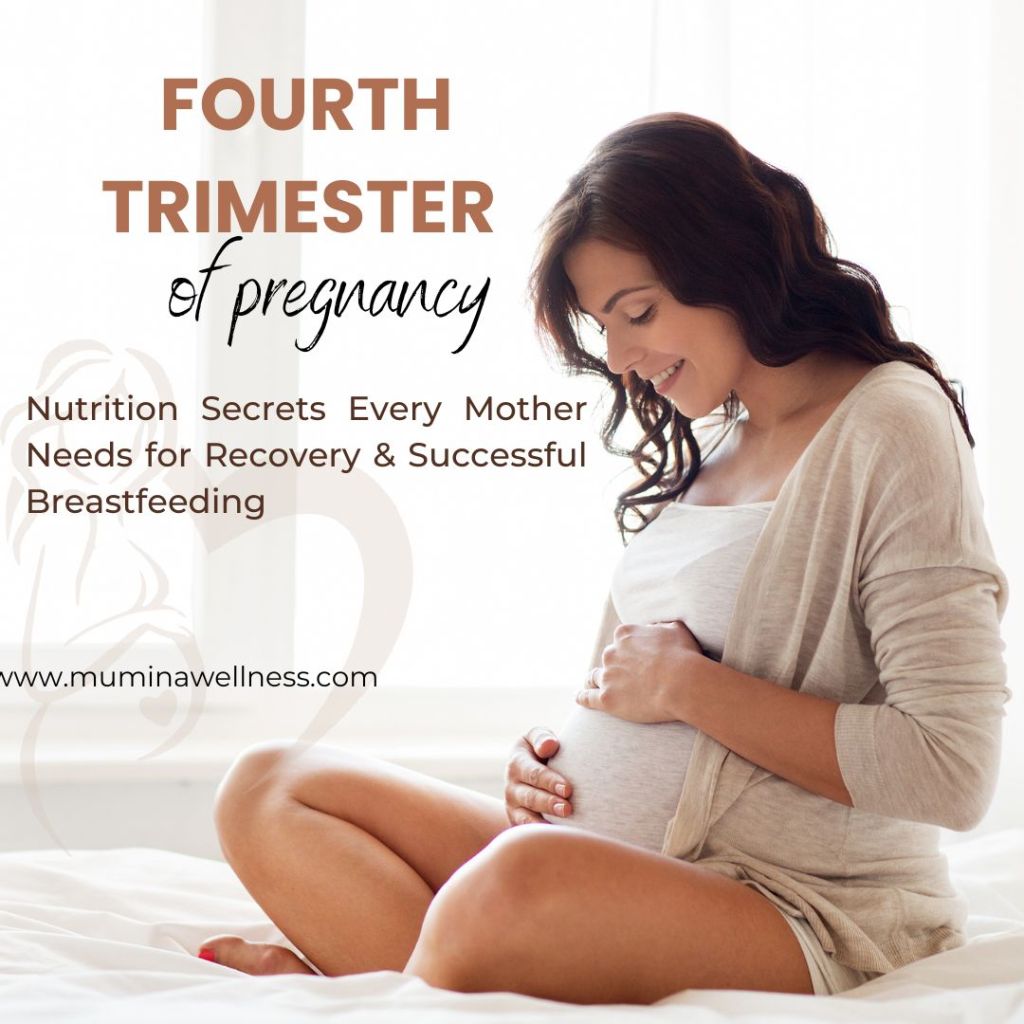
Without adequate nutrition during this time, many mothers experience extreme fatigue, slow recovery, mood changes, low milk supply, and long-term nutrient depletion.
Understanding how to nourish yourself during this phase is not just beneficial — it is essential for both maternal and infant health.
What Is the Fourth Trimester?
The fourth trimester refers to the first 6–12 weeks after childbirth, when a mother’s body undergoes major physical and hormonal changes.
During this time:
- The uterus gradually returns to its pre-pregnancy size
- Hormone levels shift dramatically
- The body heals from delivery
- Breastfeeding is established
- Sleep patterns change drastically
These adjustments require significant energy and nutrient reserves, making nutrition a crucial part of postpartum recovery.
Unfortunately, many women enter the fourth trimester already nutritionally depleted, especially if pregnancy nutrition was not well supported.
Why Nutrition During Pregnancy Influences Postpartum Recovery
One of the biggest misconceptions is that nutrition only matters during pregnancy.
In reality, the nutritional foundation built during pregnancy determines how well a woman recovers after childbirth.
For example:
Iron levels
Iron stores are heavily used during pregnancy and childbirth. Low levels can lead to:
- Postpartum fatigue
- Dizziness
- Delayed recovery
- Reduced energy to care for the newborn
Protein intake
Protein supports tissue repair and healing after delivery, especially for mothers recovering from:
- vaginal tears
- episiotomy
- caesarean section
Calcium and Vitamin D
These nutrients support bone health, especially during breastfeeding when calcium is transferred to the baby through breast milk.
Simply put:
Postpartum recovery starts long before delivery.
Why Breastfeeding Increases Nutritional Needs
Many mothers are surprised to learn that breastfeeding requires more energy than pregnancy itself.
Producing breast milk requires approximately 450–500 additional calories per day, along with increased intake of several key nutrients.
During breastfeeding, the body transfers important nutrients to the baby through breast milk, including:
- Protein
- Calcium
- Iodine
- Omega-3 fatty acids
- B-vitamins
- Vitamin A
If a mother’s diet does not meet these needs, the body prioritizes the baby — often leaving the mother feeling depleted, exhausted, and nutritionally drained.
Common Nutrient Deficiencies in the Fourth Trimester
Many postpartum symptoms are often dismissed as “normal motherhood,” yet they may actually signal nutritional deficiencies.
Iron deficiency
Can lead to:
- persistent fatigue
- dizziness
- low energy levels
- poor concentration
Omega-3 fatty acid deficiency
Associated with:
- mood changes
- brain fog
- increased risk of postpartum depression
Calcium depletion
May cause:
- bone discomfort
- joint pains
- increased long-term osteoporosis risk
Inadequate calories and hydration
Can contribute to:
- reduced breast milk supply
- exhaustion
- poor healing
Recognizing these signs early allows mothers to address nutritional gaps before they affect long-term health.
Practical Nutrition Strategies for Postpartum Recovery
Supporting the body after delivery does not require complicated diets or unrealistic expectations.
Instead, mothers should focus on simple, nourishing meals that support healing and energy.
Prioritize balanced meals
Each meal should ideally contain:
- Protein (eggs, fish, beans, lentils, yoghurt)
- Healthy fats (nuts, seeds, avocado)
- Whole carbohydrates (whole grains, sweet potatoes)
- Vegetables and fruits
Focus on iron-rich foods
Examples include:
- green leafy vegetables
- beans and lentils
- liver or lean meats
- fortified cereals
Pairing iron-rich foods with vitamin C sources like oranges or tomatoes helps improve absorption.
Stay hydrated
Breastfeeding mothers require adequate fluids to maintain milk production and energy levels.
Eat small, frequent meals
This helps stabilize blood sugar levels and supports sustained energy during long days and nights with a newborn.
Nutrition and Breast Milk Production
One of the most common concerns among new mothers is whether they are producing enough milk.
While milk production is primarily influenced by frequent breastfeeding and proper latch, maternal nutrition plays an important supporting role.
Adequate intake of calories, protein, healthy fats, and fluids helps ensure the body has the resources needed to sustain milk production.
Restrictive dieting during this time can negatively affect both energy levels and milk supply.
Supporting the Mother Is Supporting the Baby
The health of a newborn is deeply connected to the well-being of the mother.
When mothers are nourished, supported, and guided appropriately, they are better able to:
- recover from childbirth
- produce adequate breast milk
- maintain emotional stability
- care for their newborn effectively
Unfortunately, many women navigate this period alone, relying on conflicting advice or social media myths about postpartum nutrition.
Why Professional Nutrition Guidance Matters
Every pregnancy, birth experience, and postpartum journey is unique.
Some mothers may struggle with:
- severe fatigue
- cravings and appetite changes
- weight adjustments
- digestive issues
- breastfeeding challenges
Having structured, evidence-based nutrition guidance can make a significant difference in how smoothly a woman transitions into motherhood.
This is why I created my Pregnancy and Postpartum Nutrition Coaching Program at Mumina Wellness Solutions.
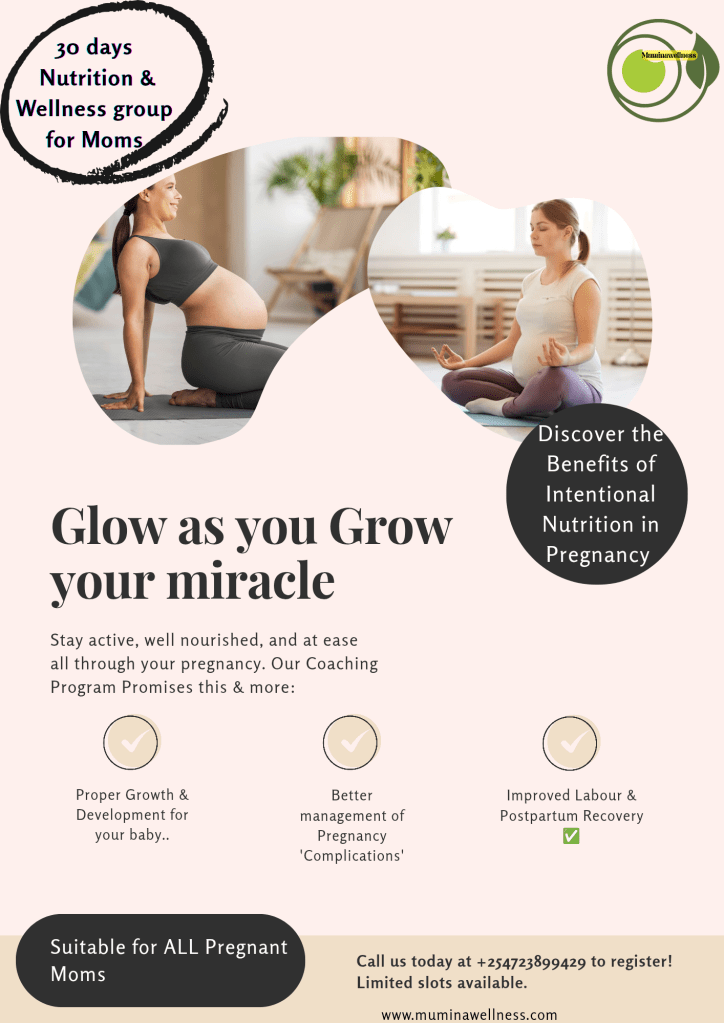
Through this program, I support women to:
- rebuild energy after childbirth
- manage nutrition during breastfeeding
- address nutrient deficiencies
- restore hormonal balance
- confidently navigate this important stage of life
New coaching intakes open every 15th of the month, and spaces are intentionally limited to ensure personalized support.
If you would like professional guidance during pregnancy or postpartum recovery, you can learn more or reach out here:
👉 https://wa.me/message/KENSW7BT6OLDF1
Final Thoughts
Motherhood does not begin and end with childbirth.
The fourth trimester is a critical period of healing, adjustment, and rebuilding, and proper nutrition plays a central role in ensuring both mother and baby thrive.
By prioritizing nourishment, rest, and professional guidance where necessary, mothers can transition into this new phase with strength, confidence, and better health outcomes.
Because when we take care of mothers, we build healthier families and communities.

 Nutrition, Diet and Health Tips
Leave a comment